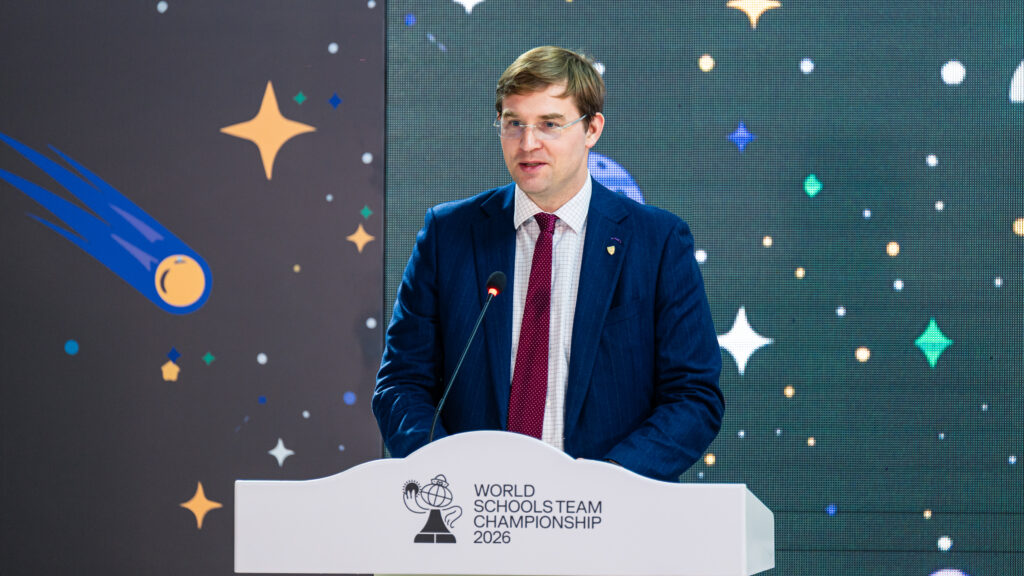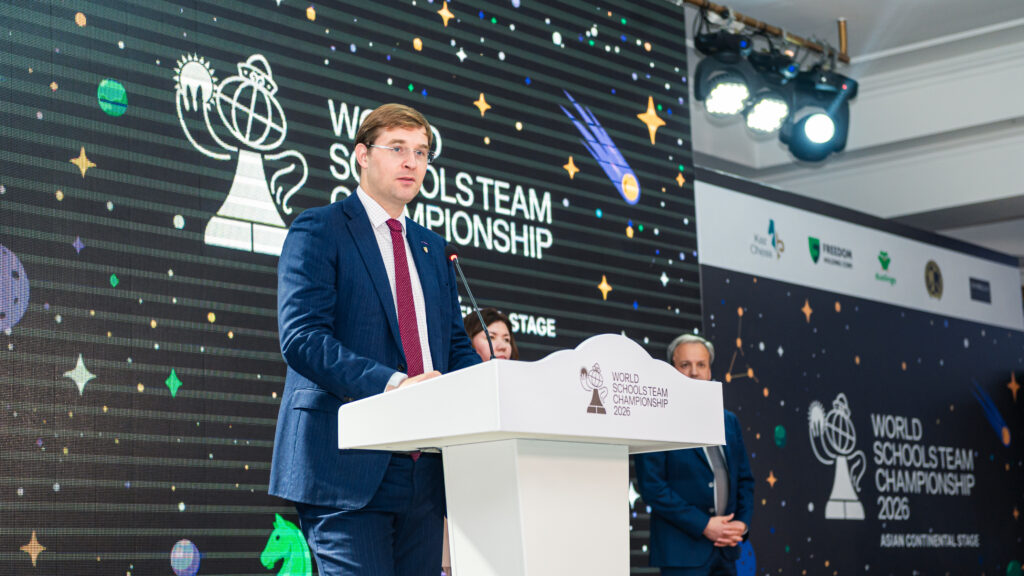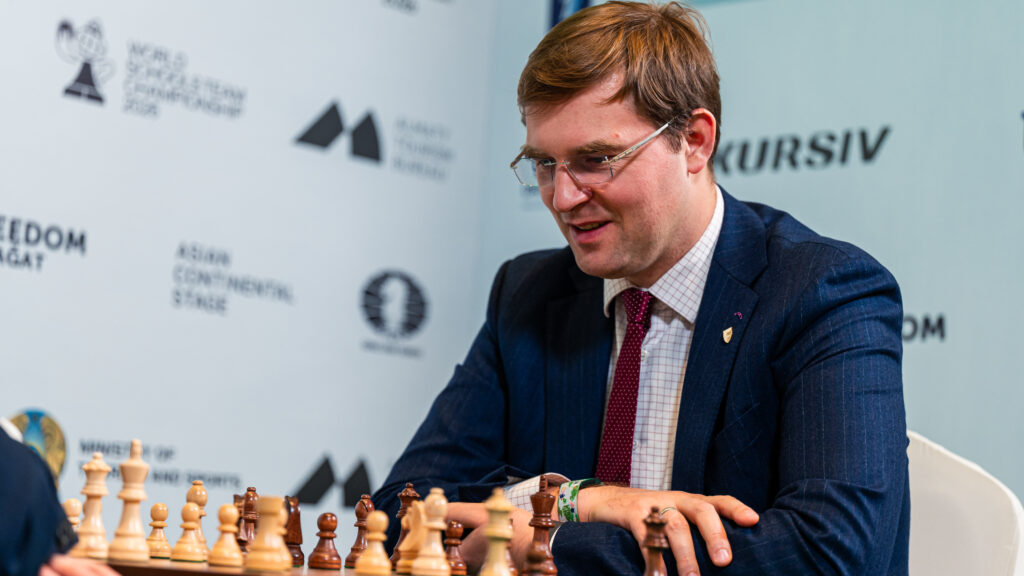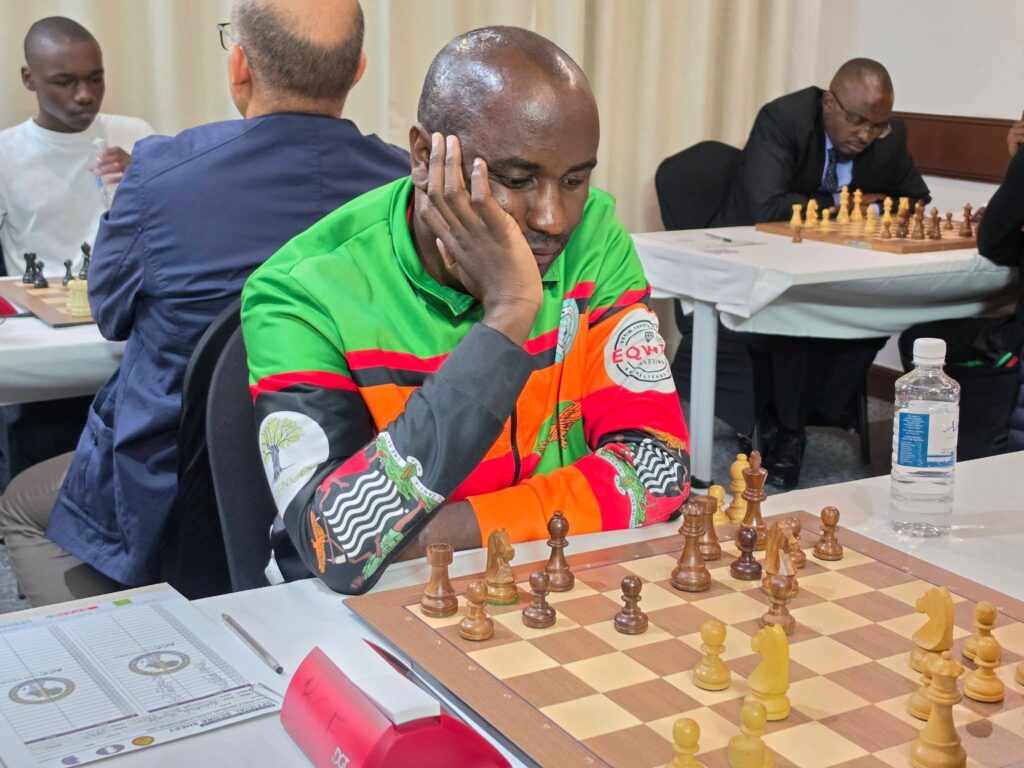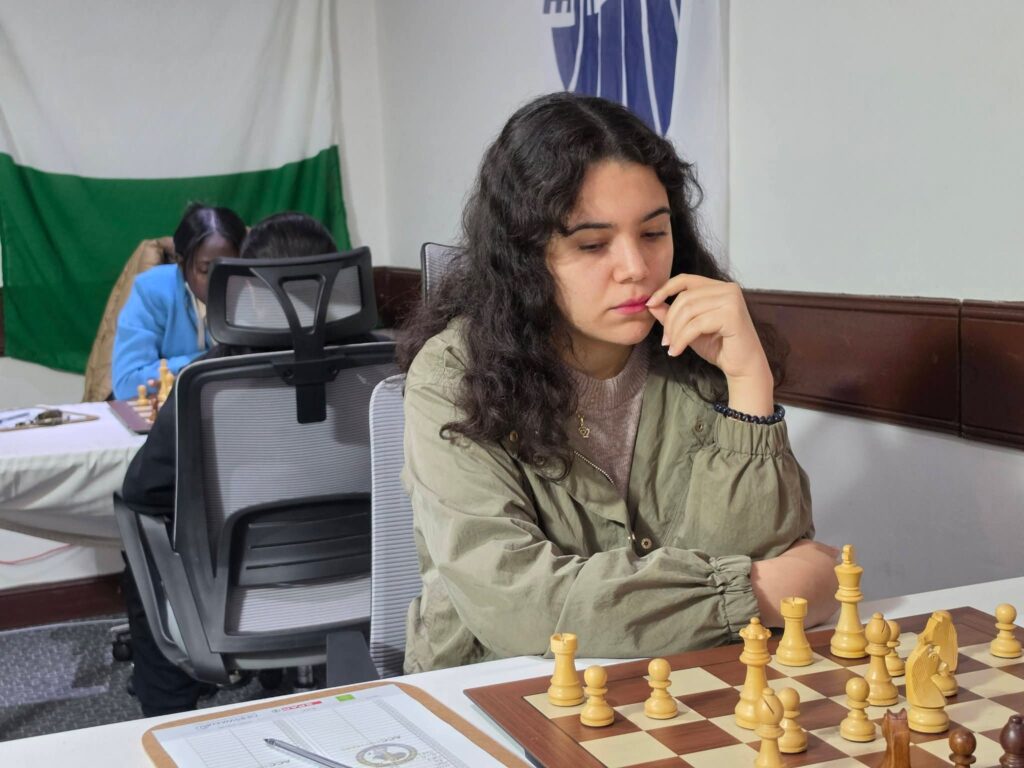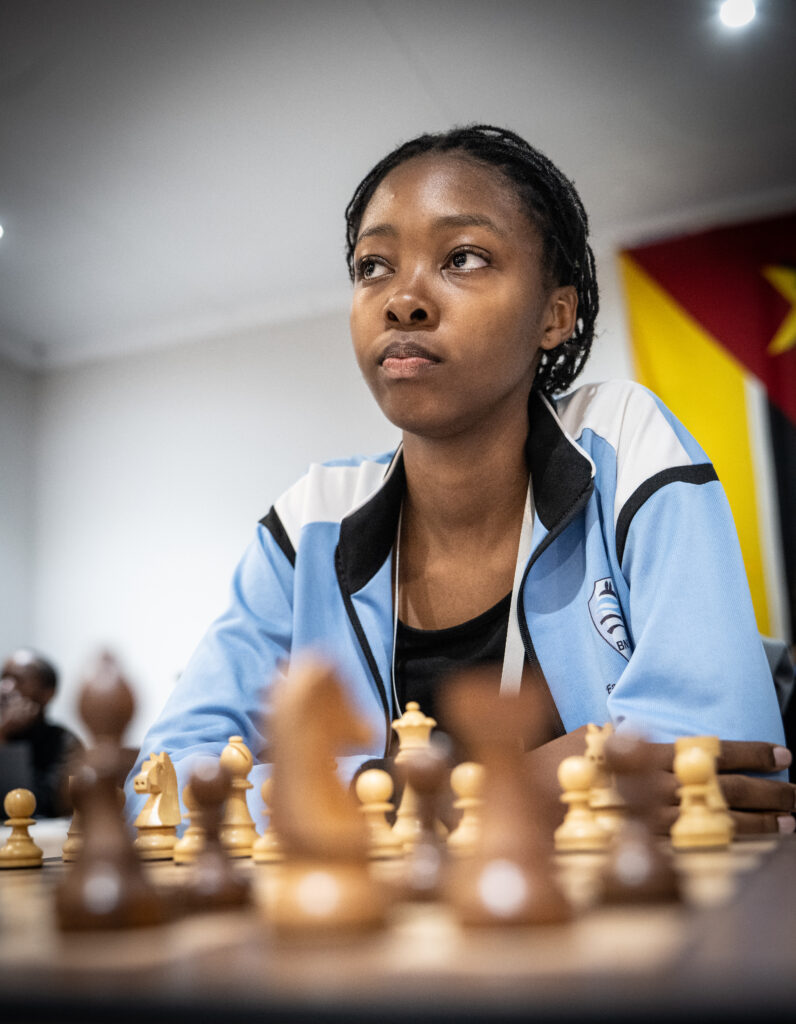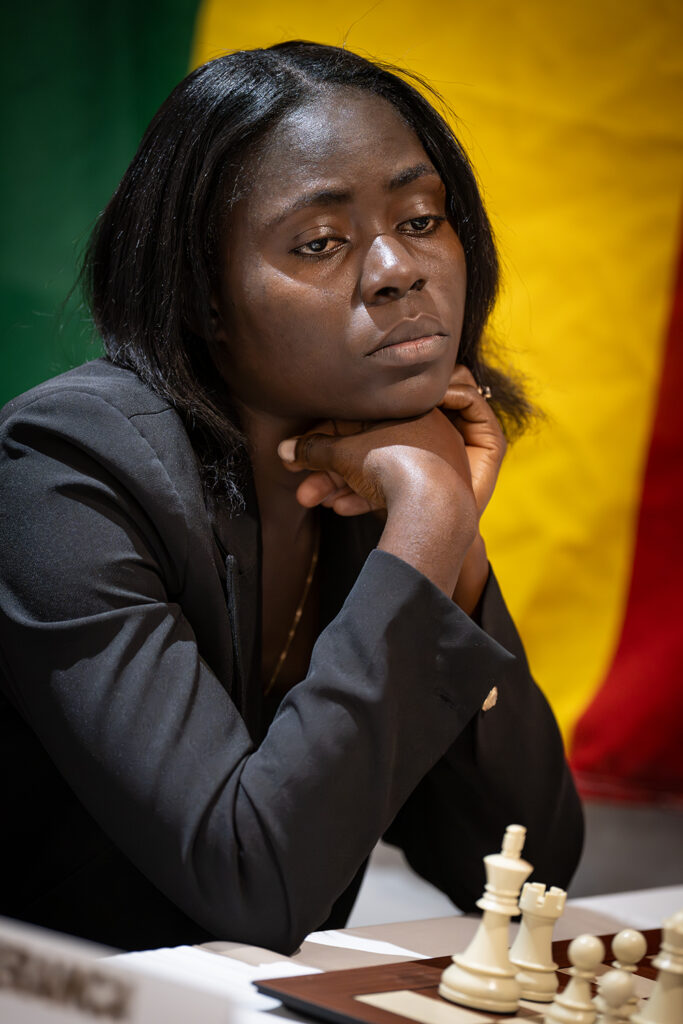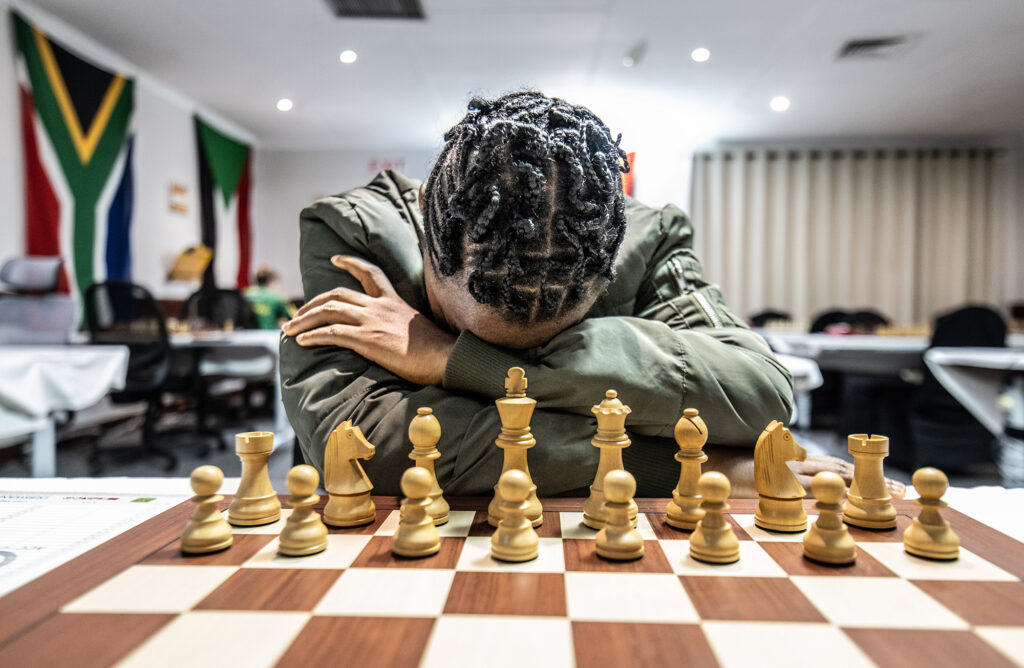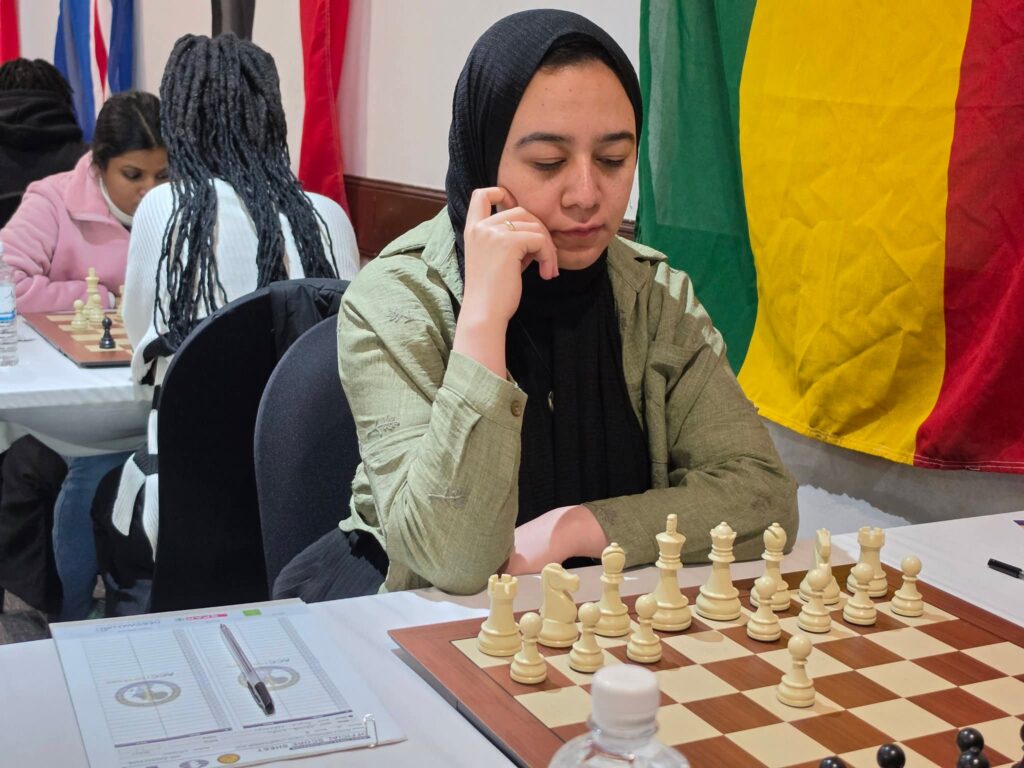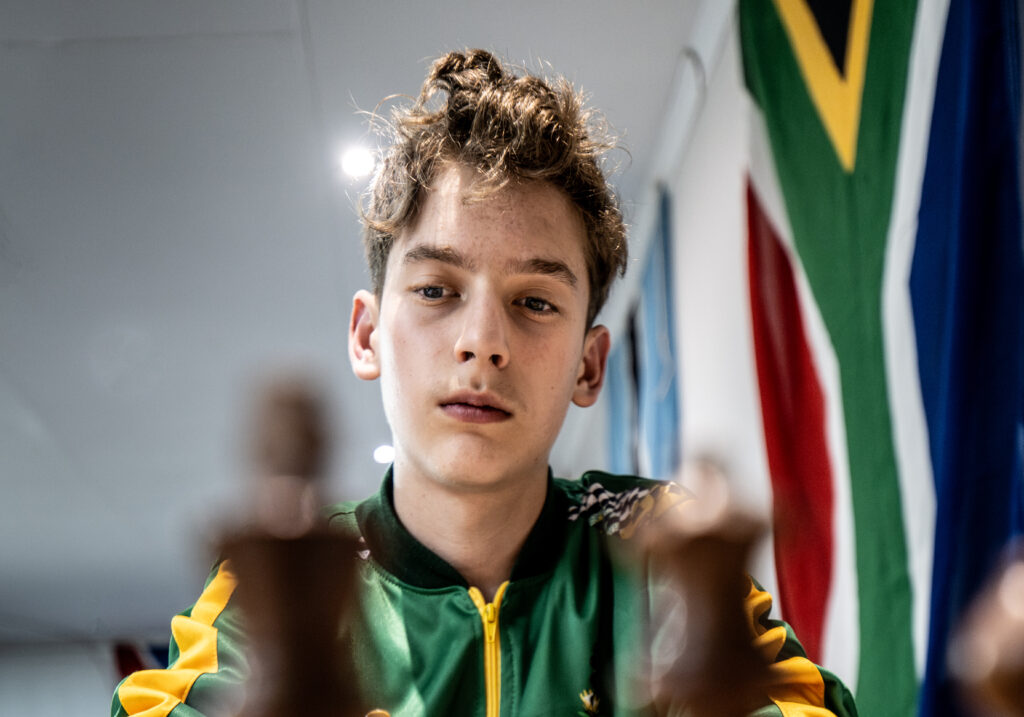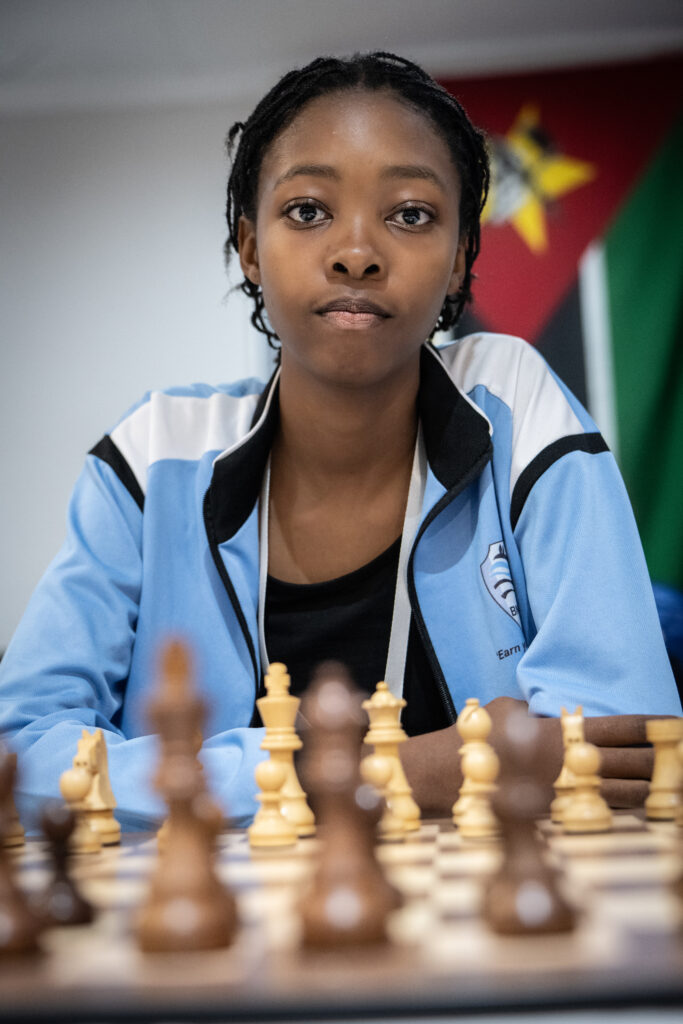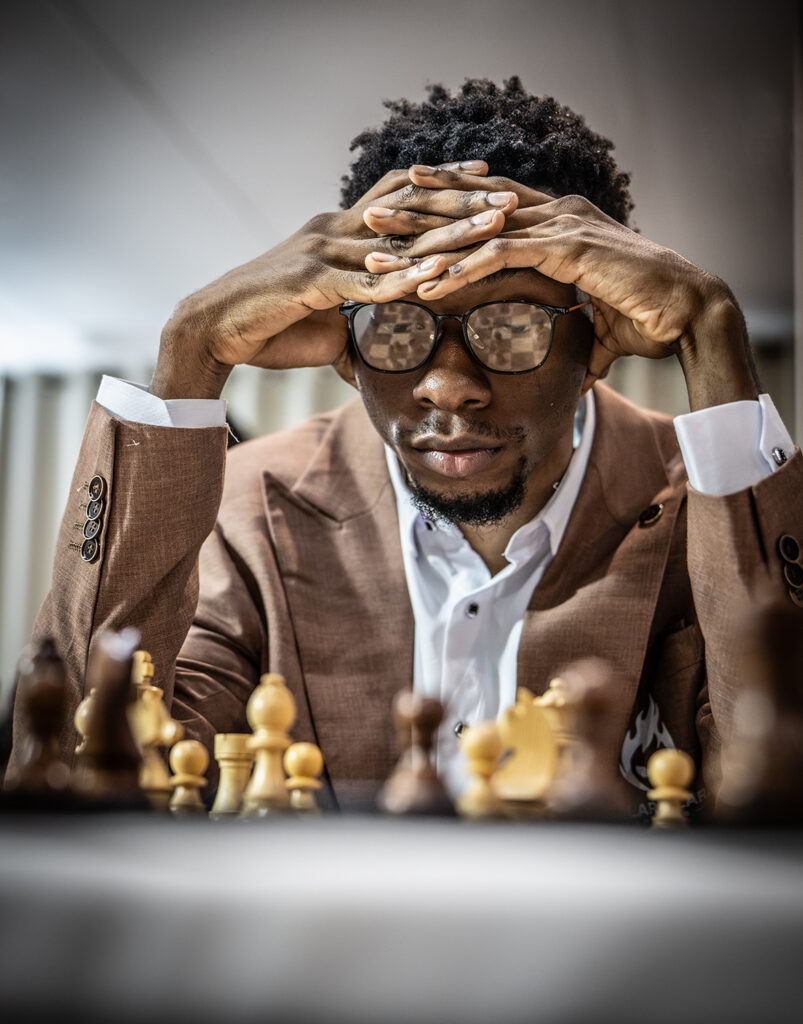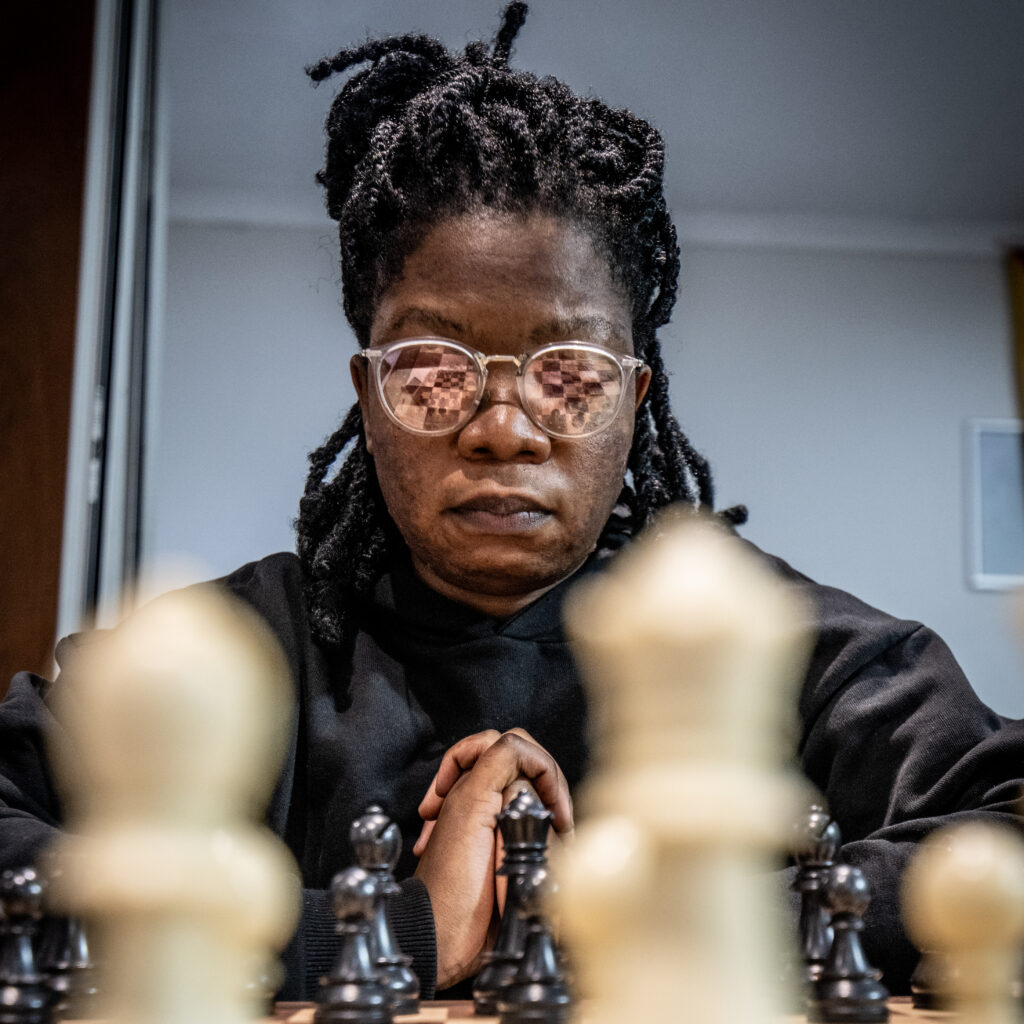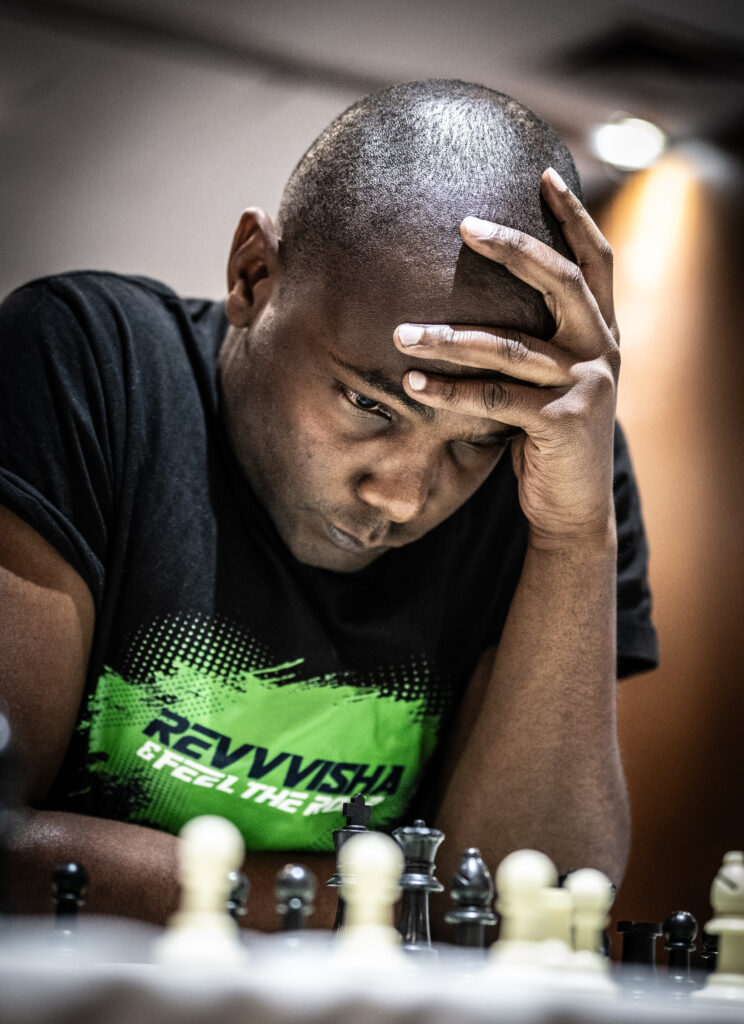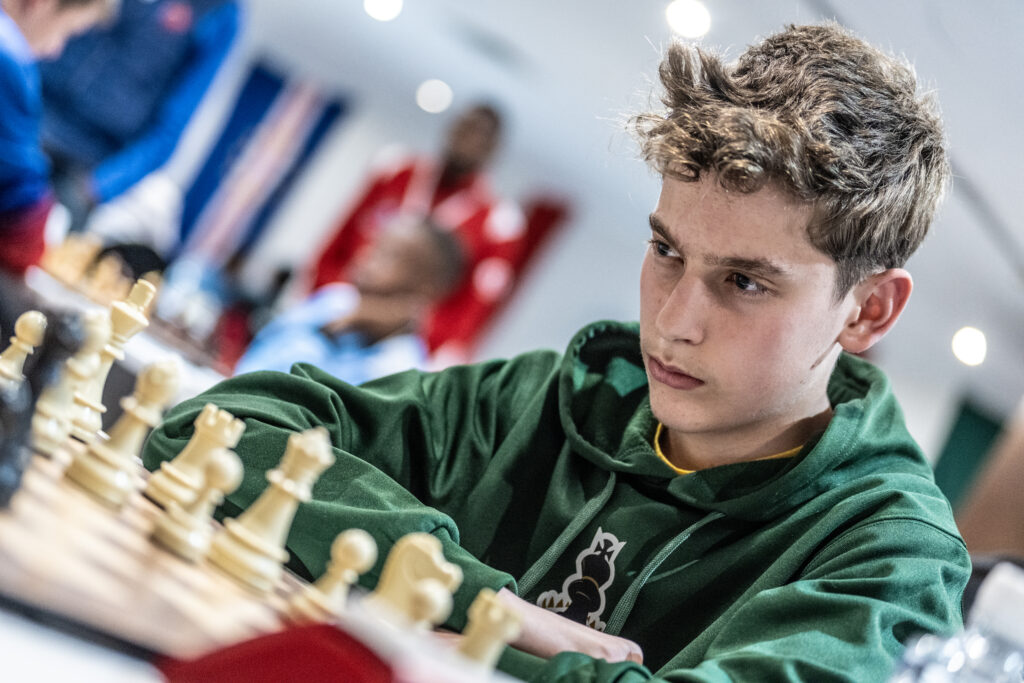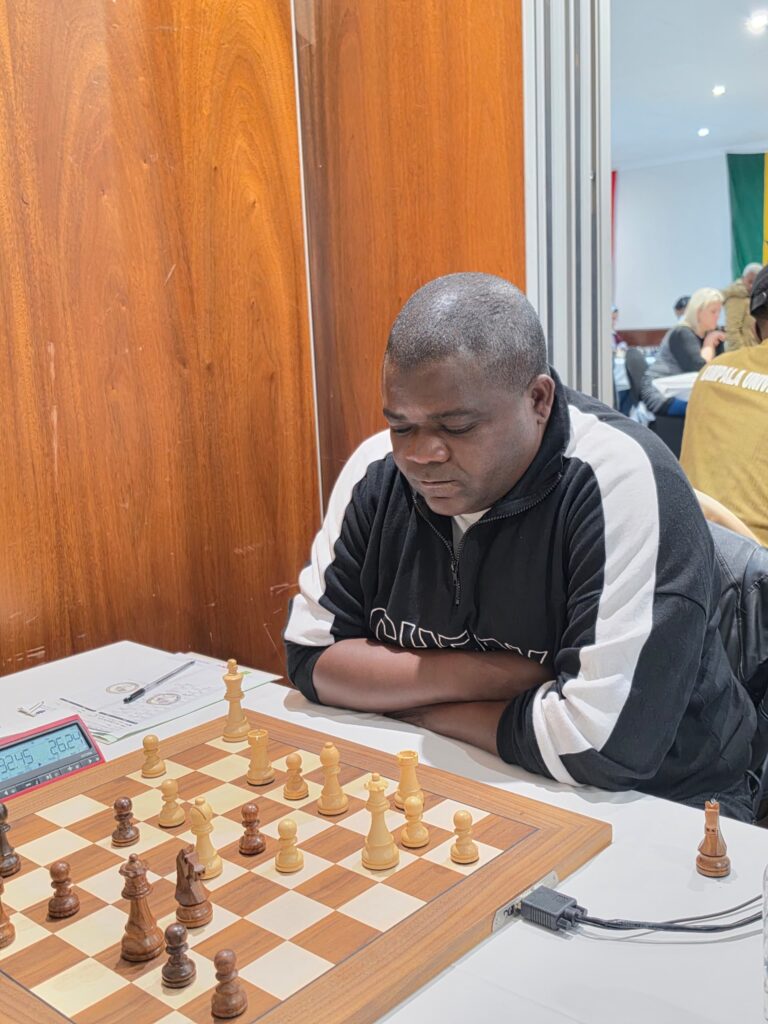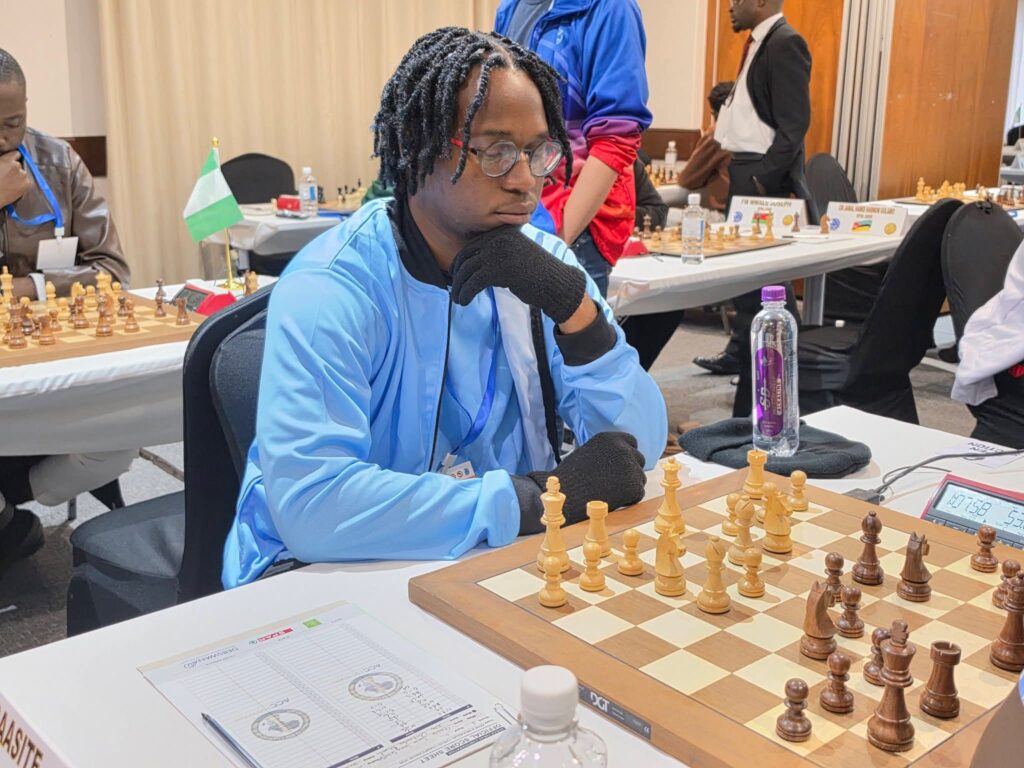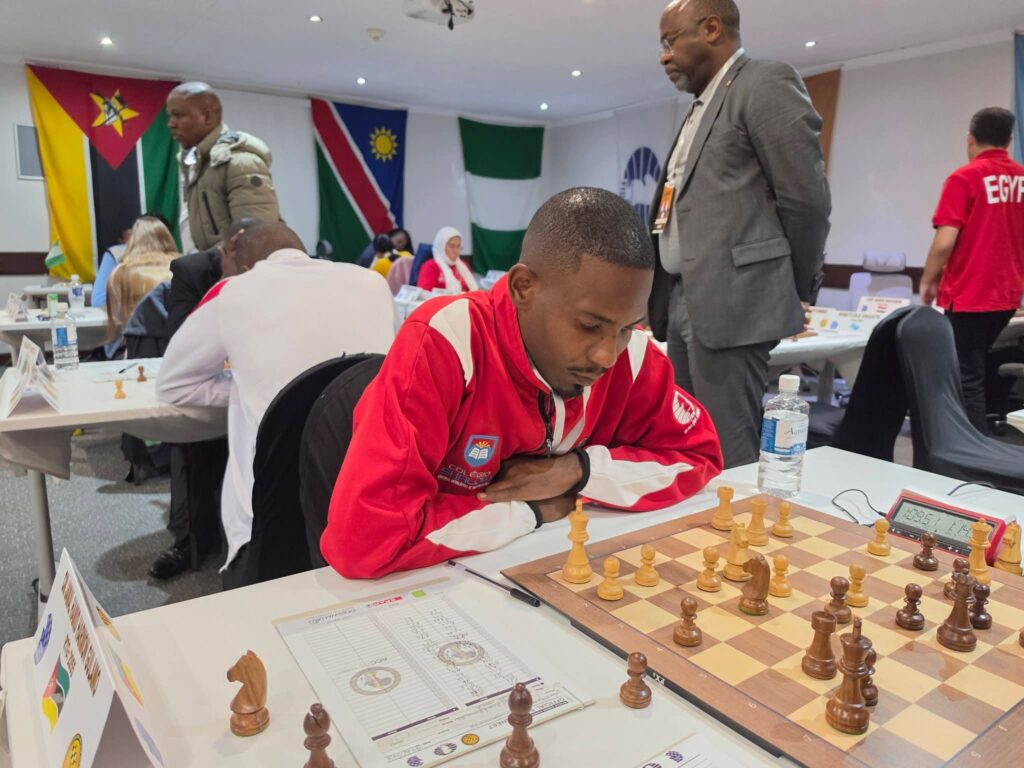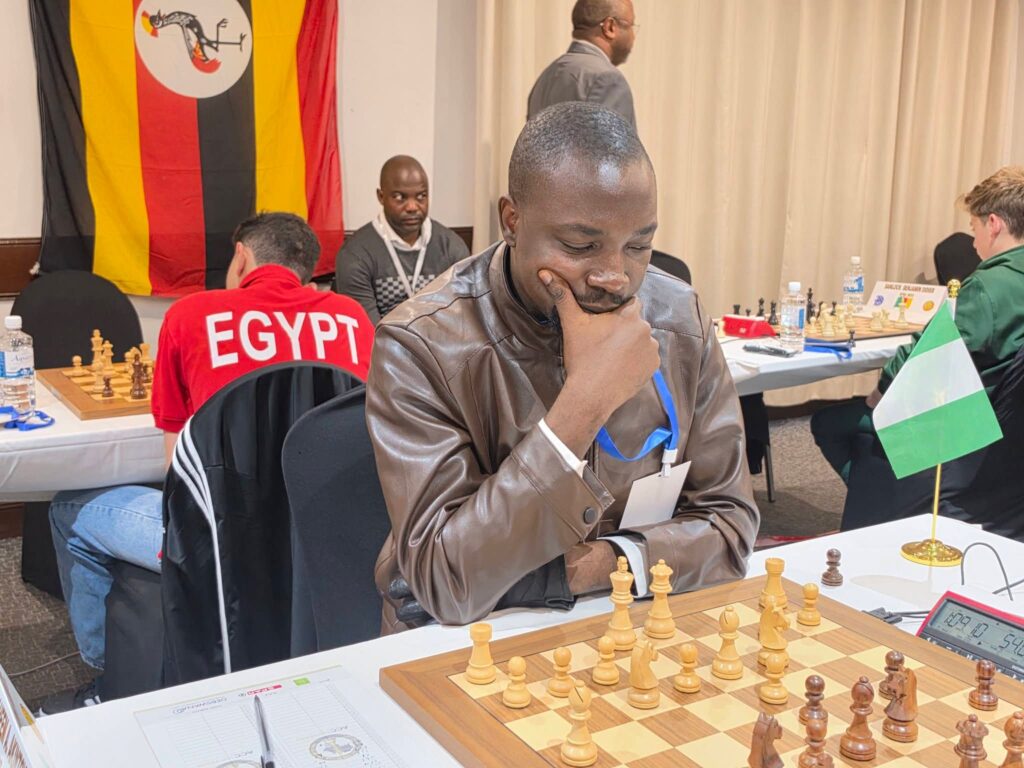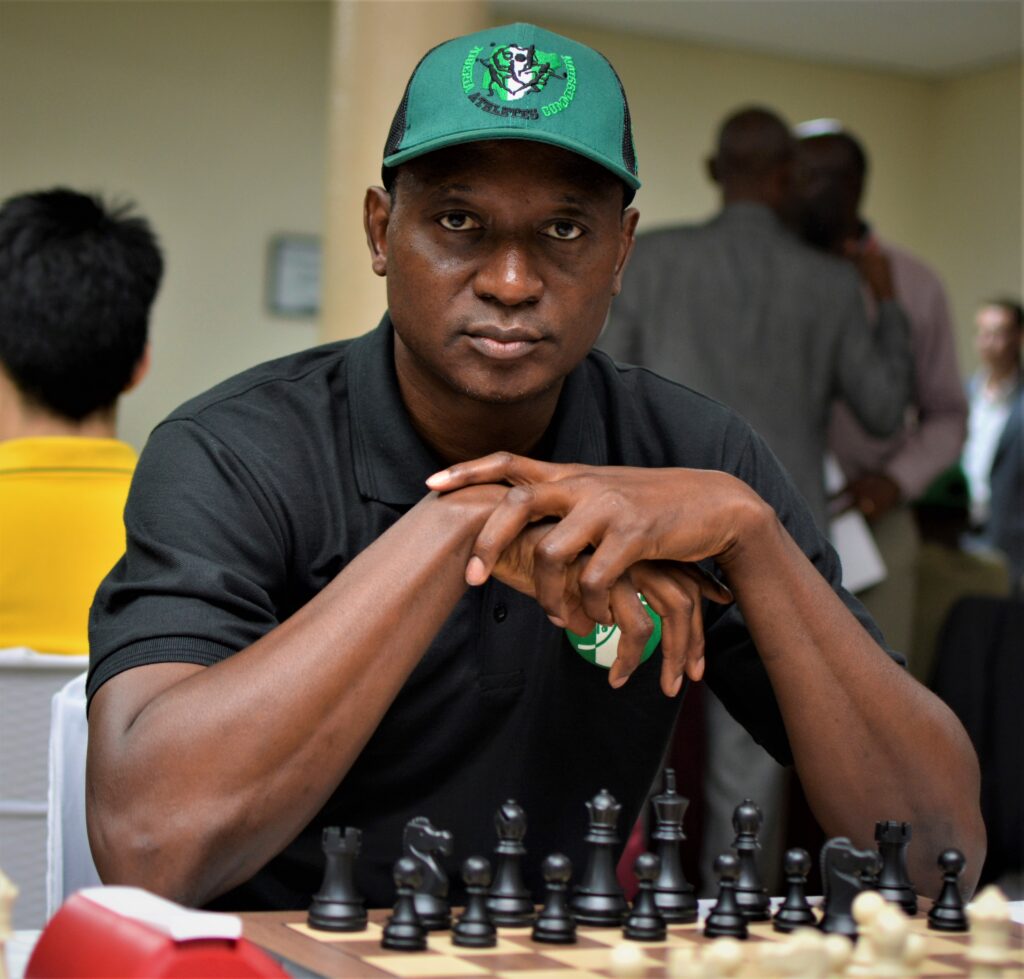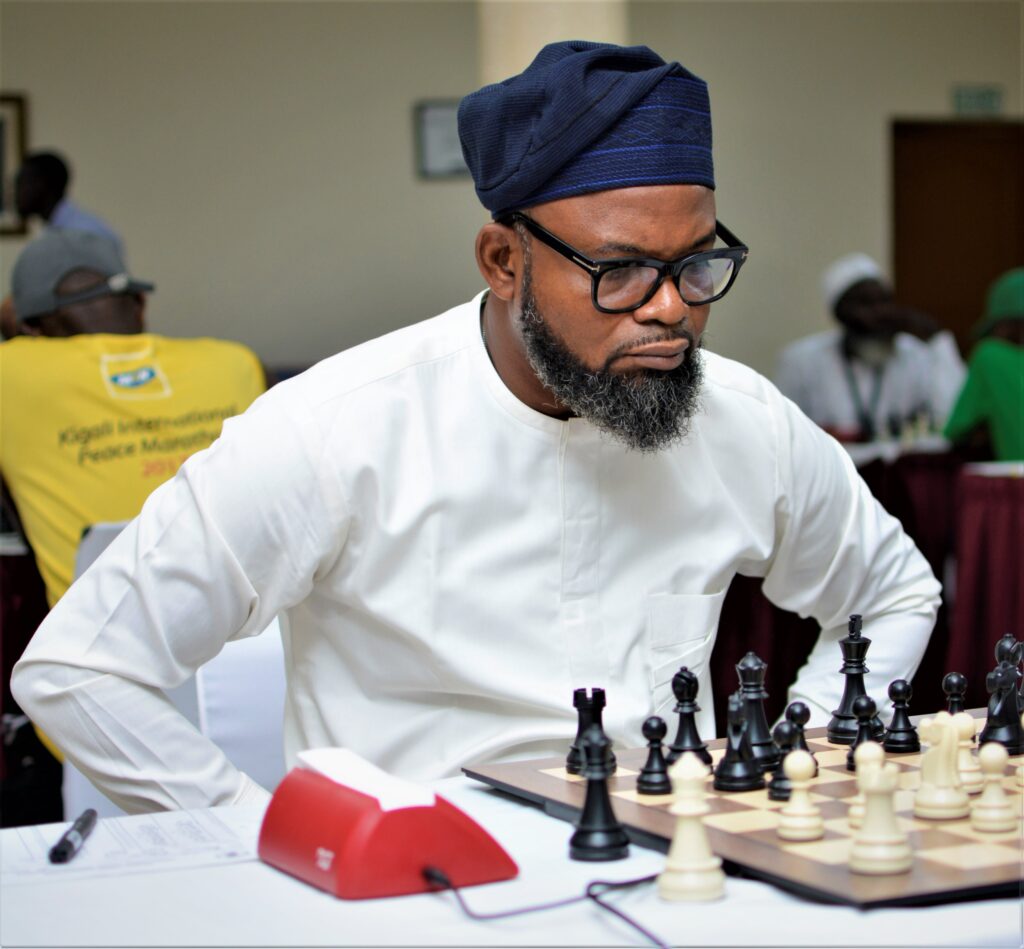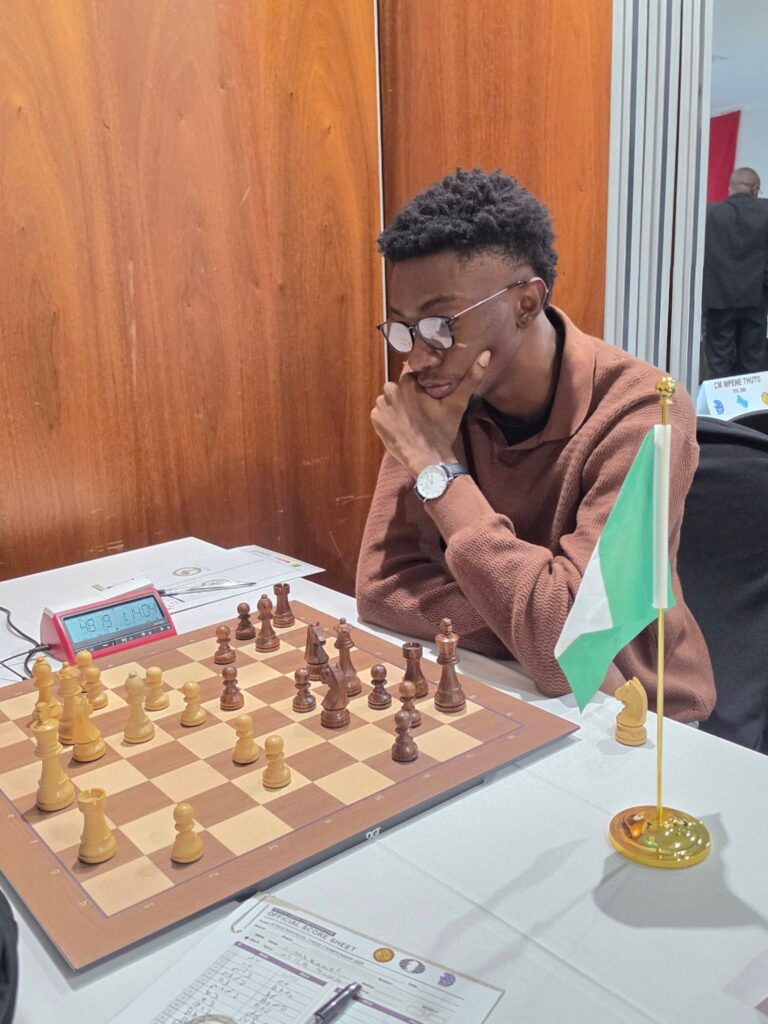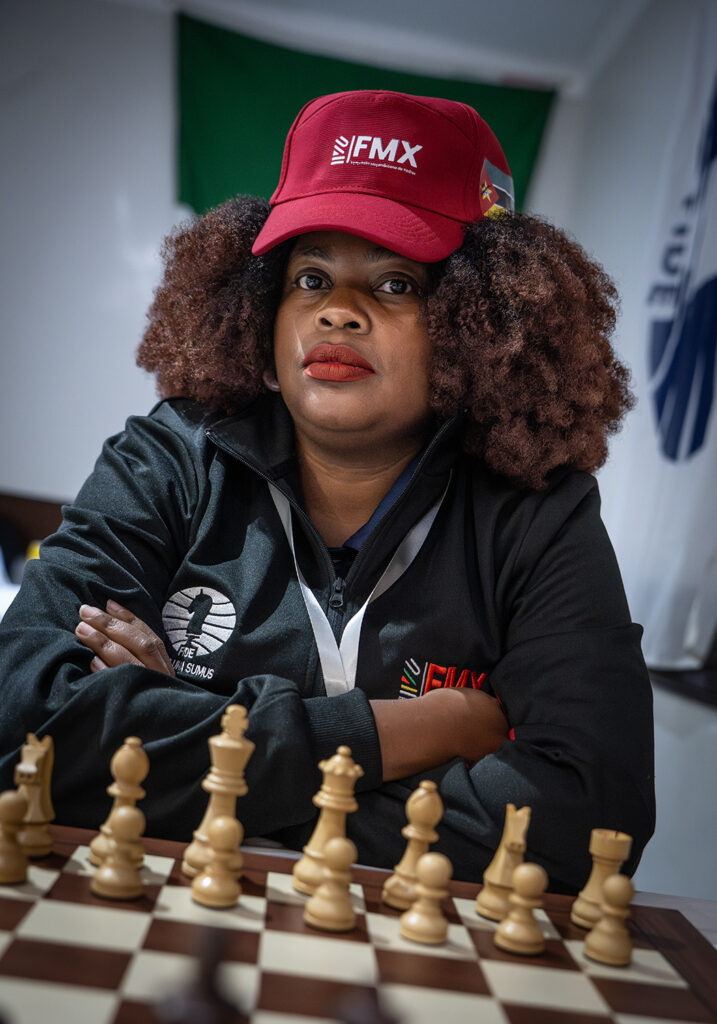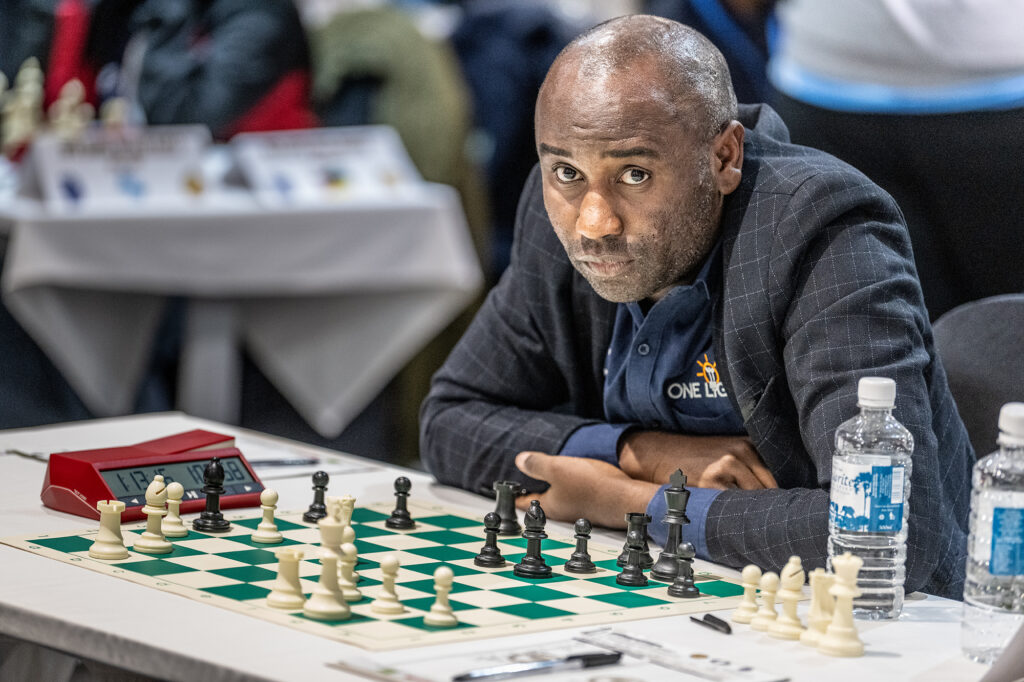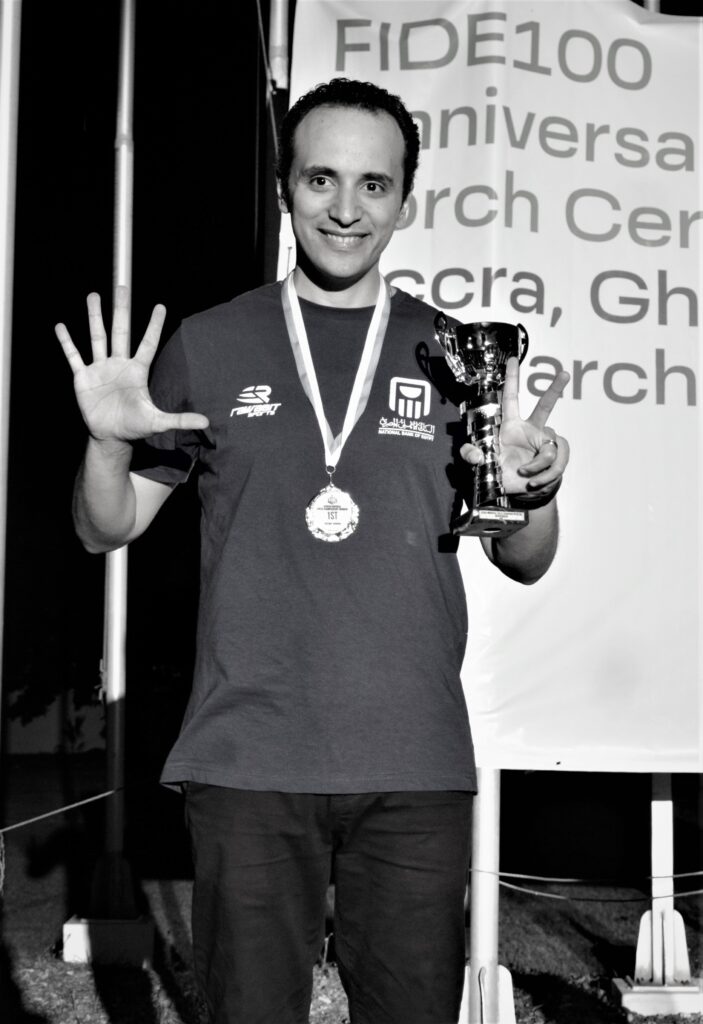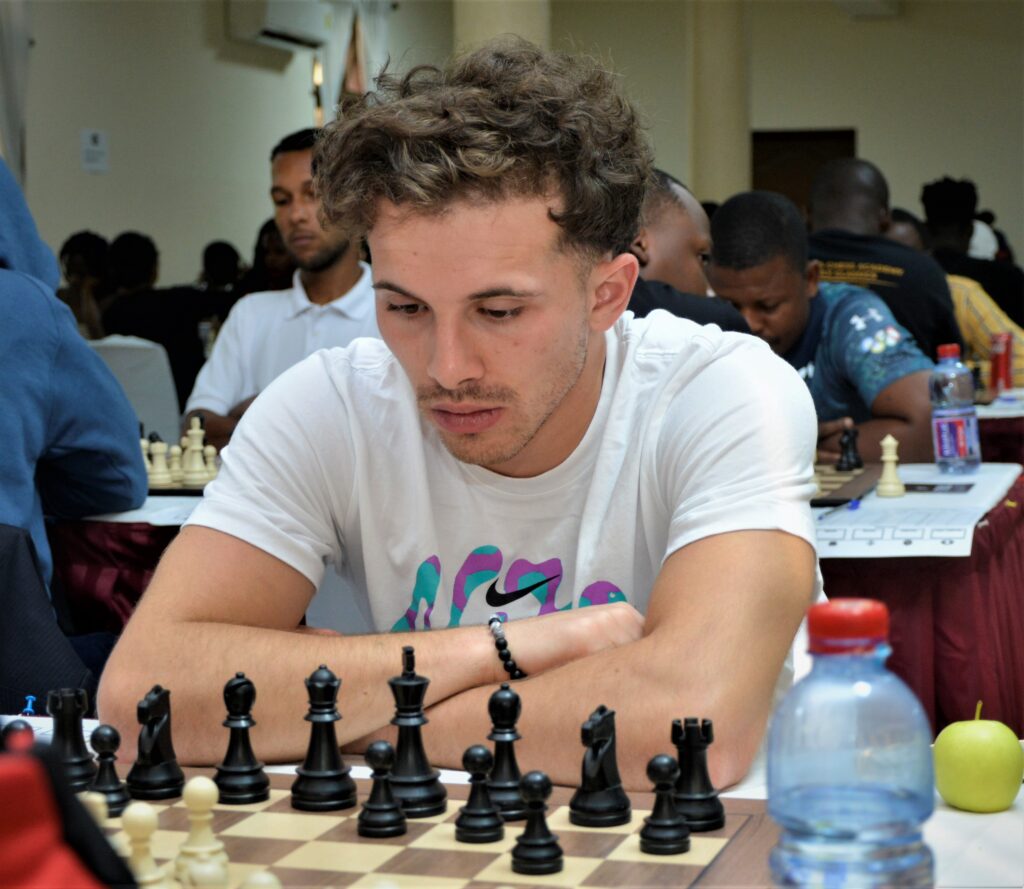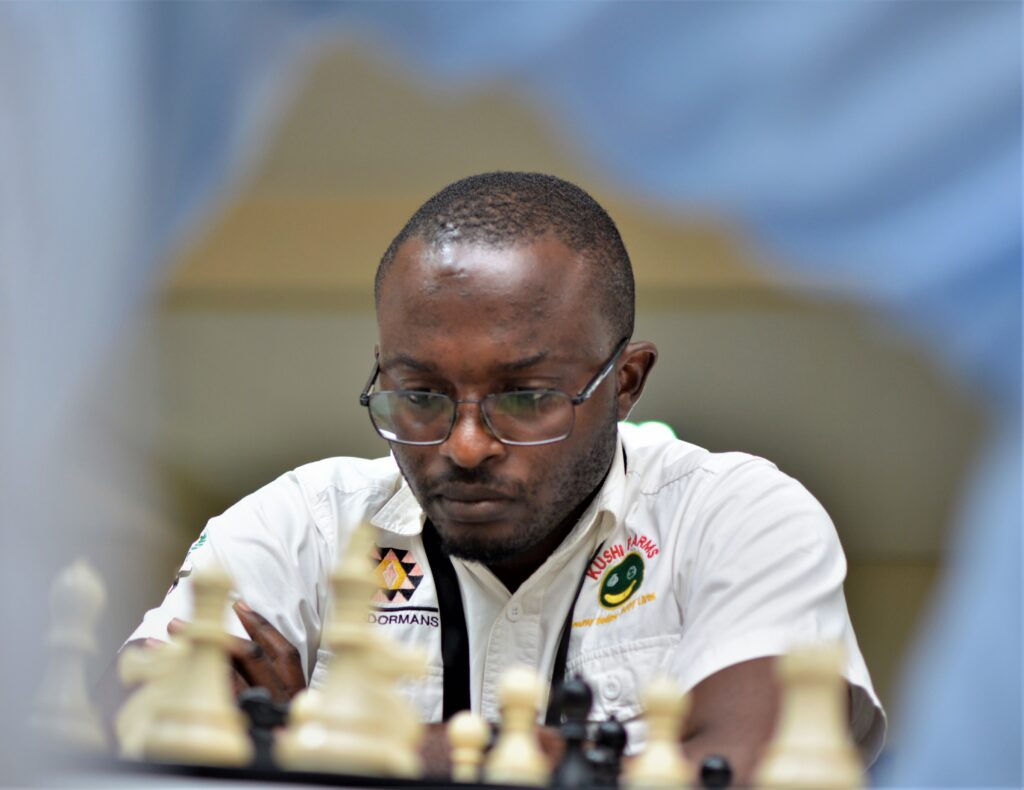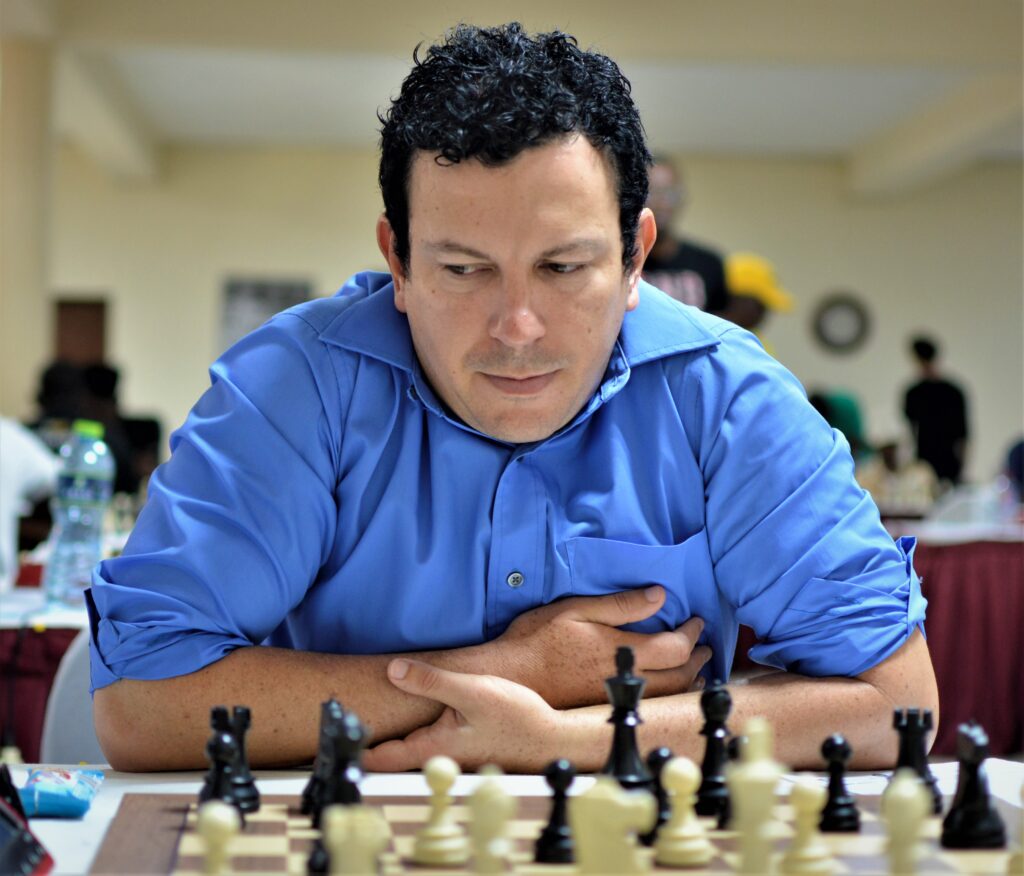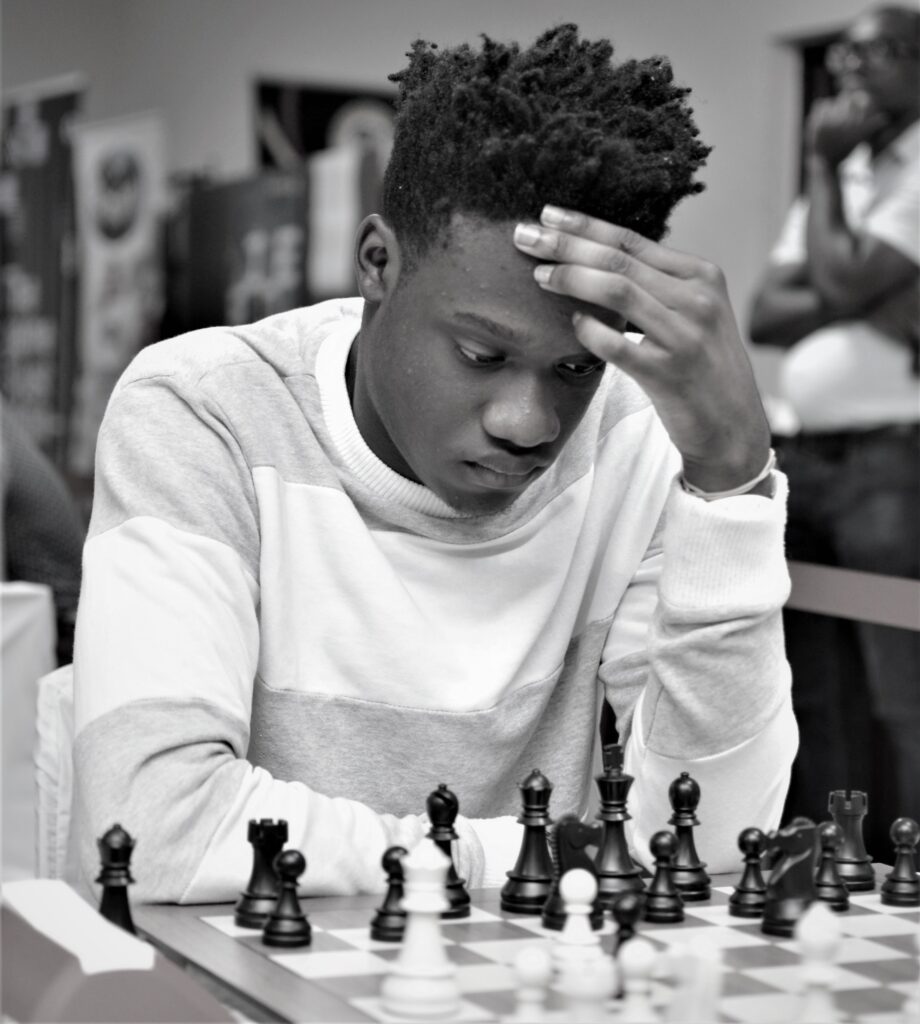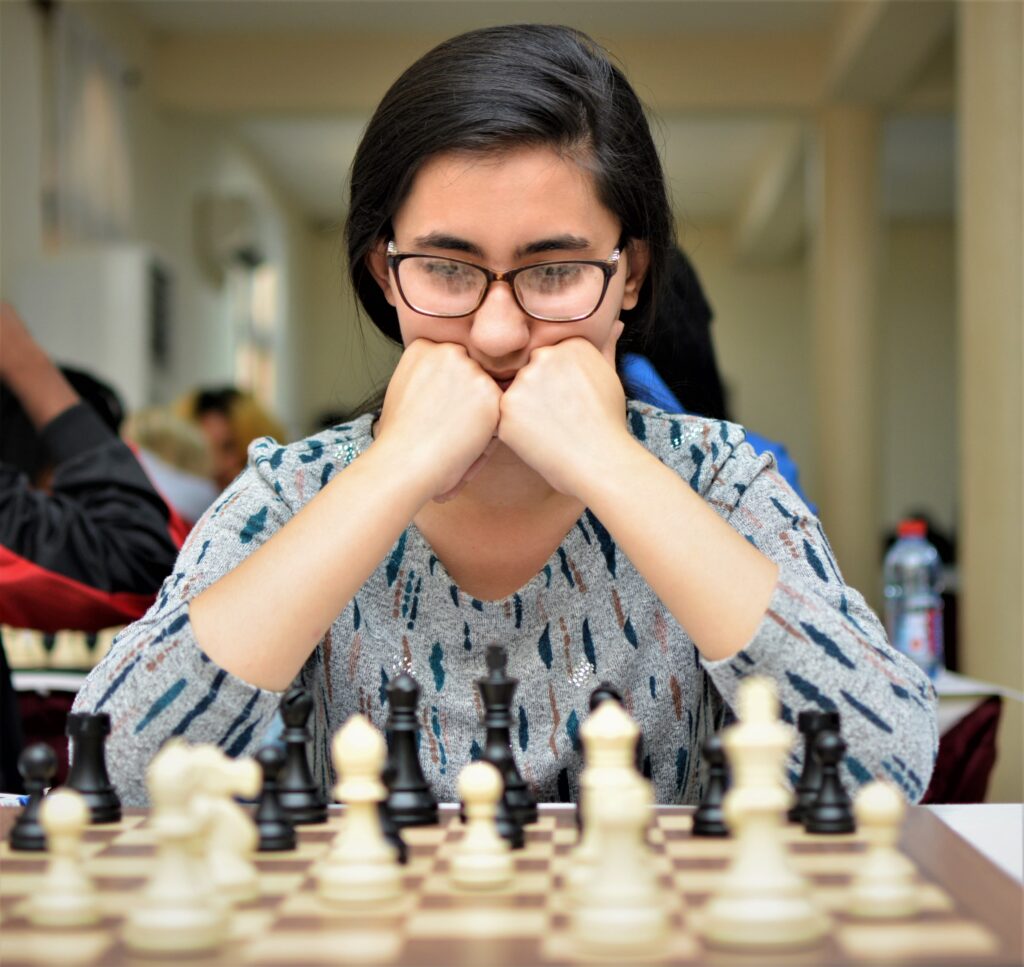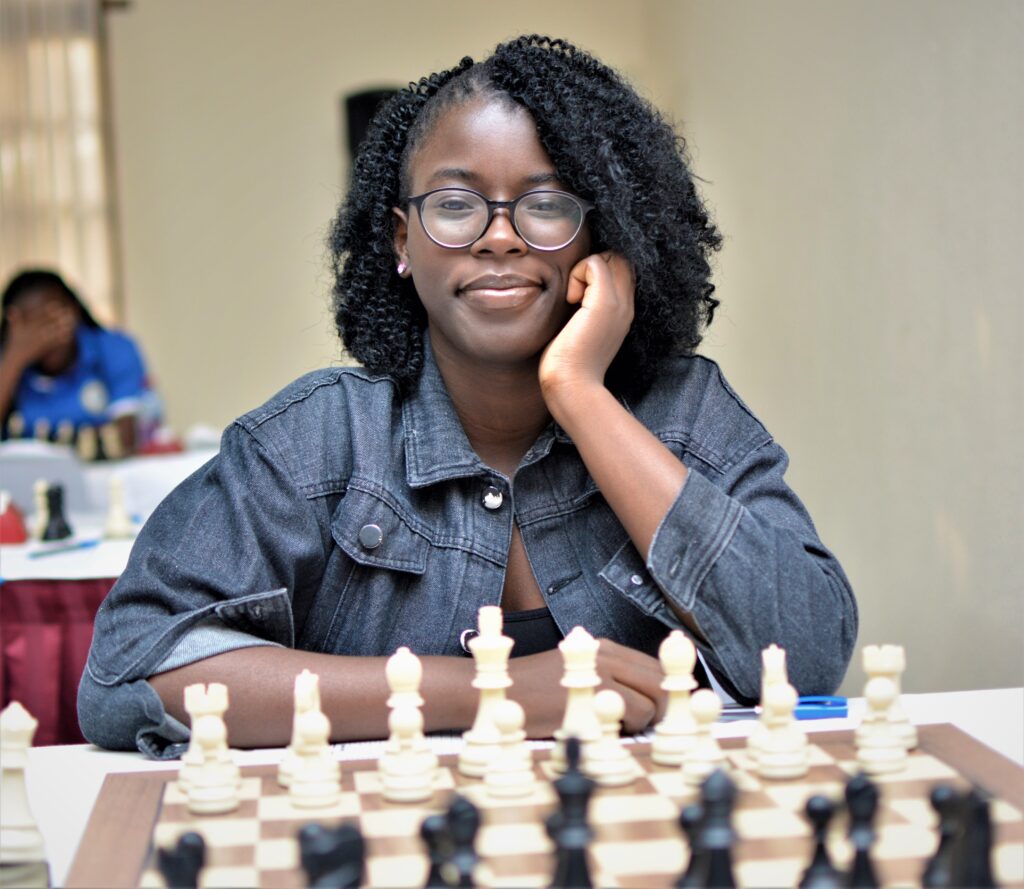
As the chess world looks towards the 2026 FIDE Presidential Elections, the three presidential candidates: Jan Henric Buettner, Wadim Rosenstein and Timur Turlov, are presenting their visions for the future of global chess.
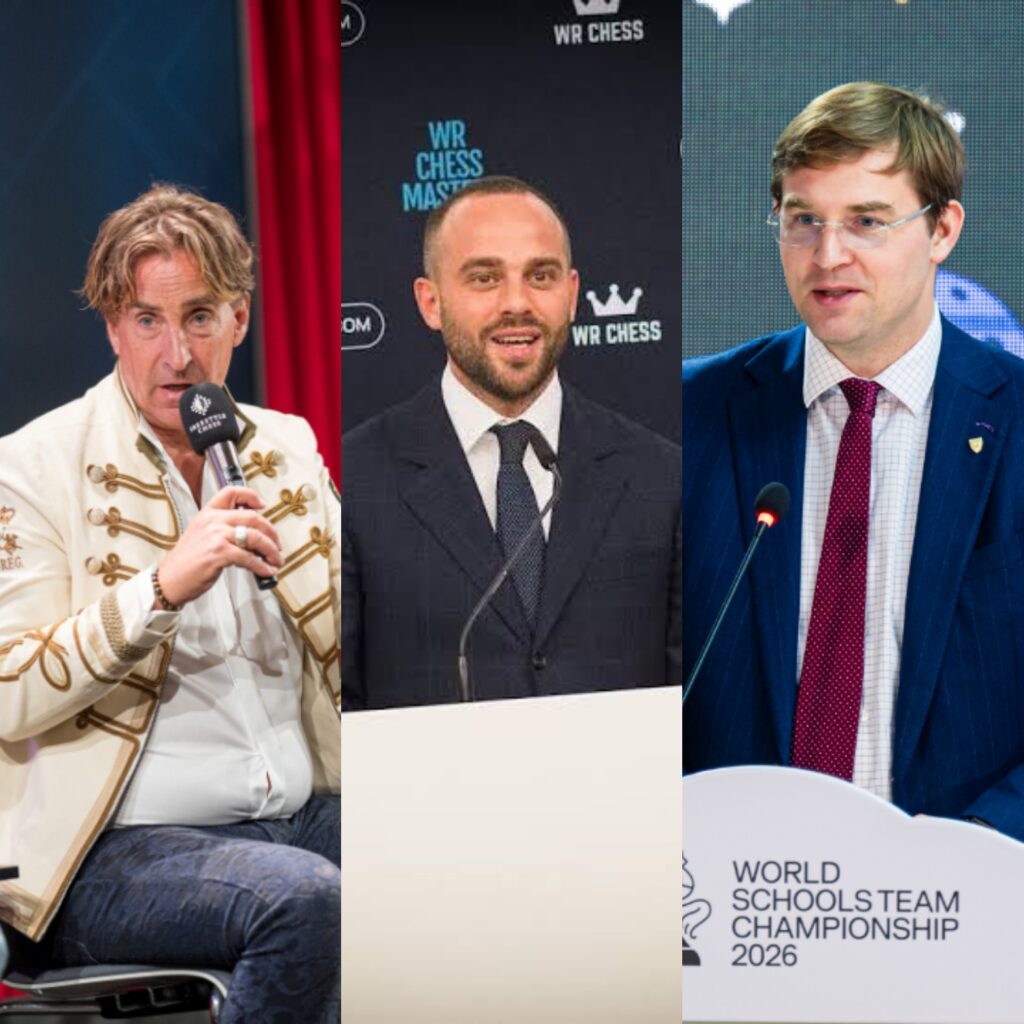
For Africa, however, the election should also be an opportunity to ask a very important question:
What does Africa need from the next FIDE President?
The answer may not simply be more tournaments, more funding or more development programmes.
What Africa Needs is a Partner.
A partner in the FIDE President, who genuinely wants African chess to succeed, evolve and ultimately become a significant force in world chess.
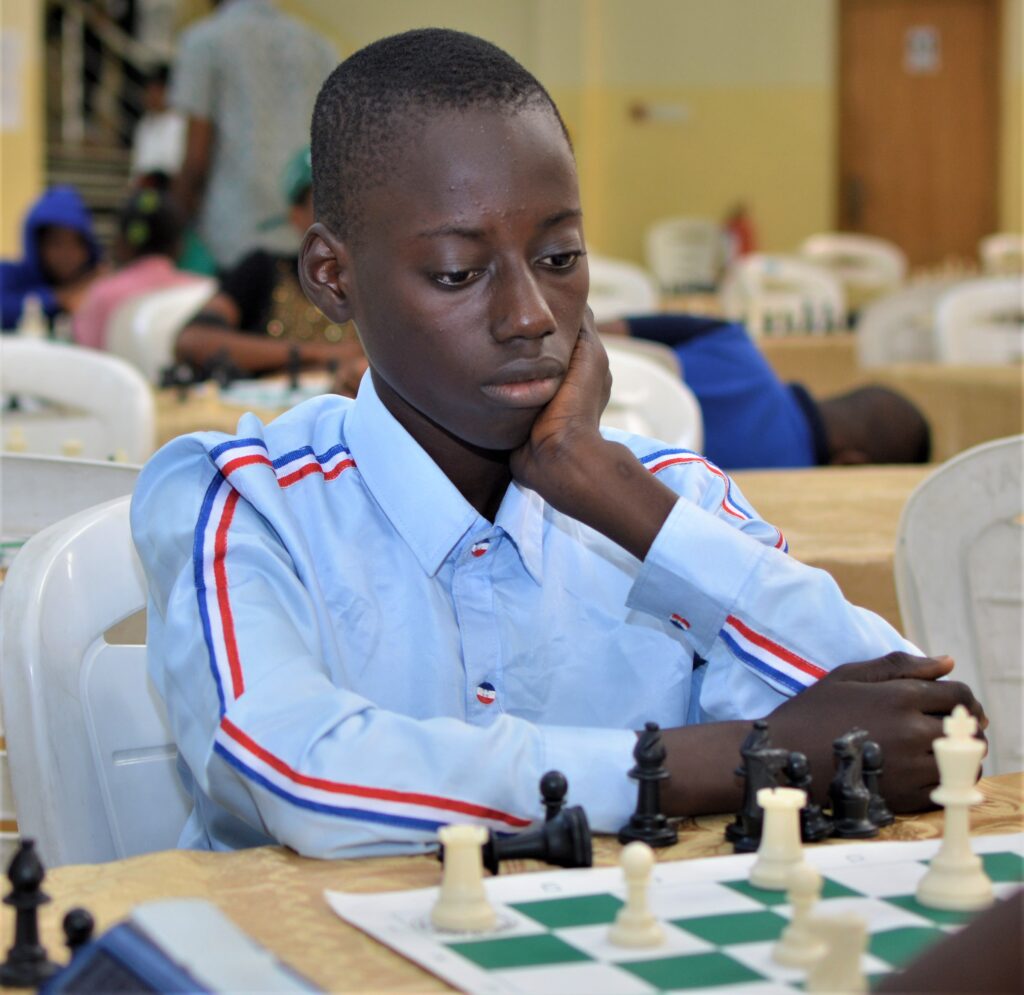
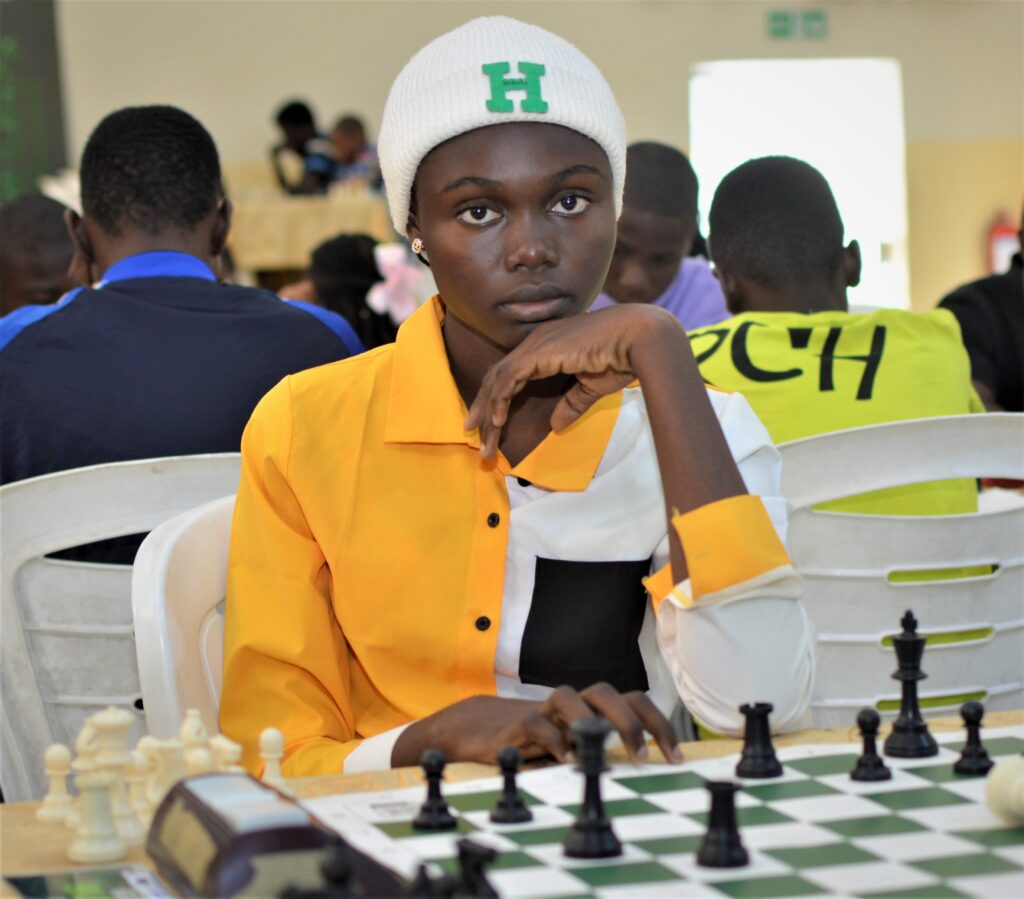
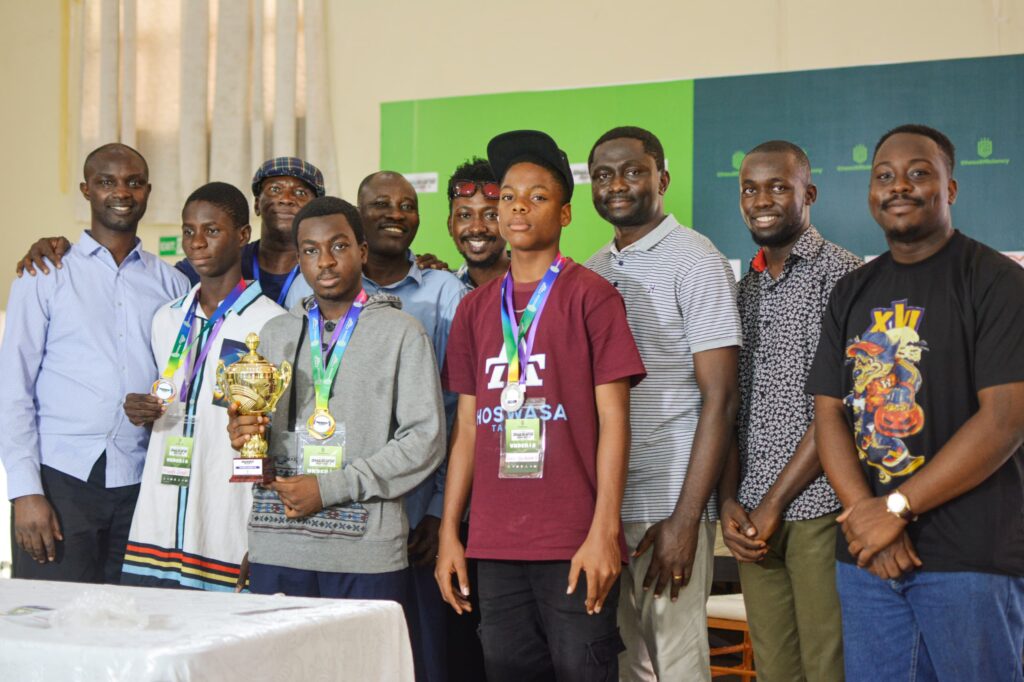
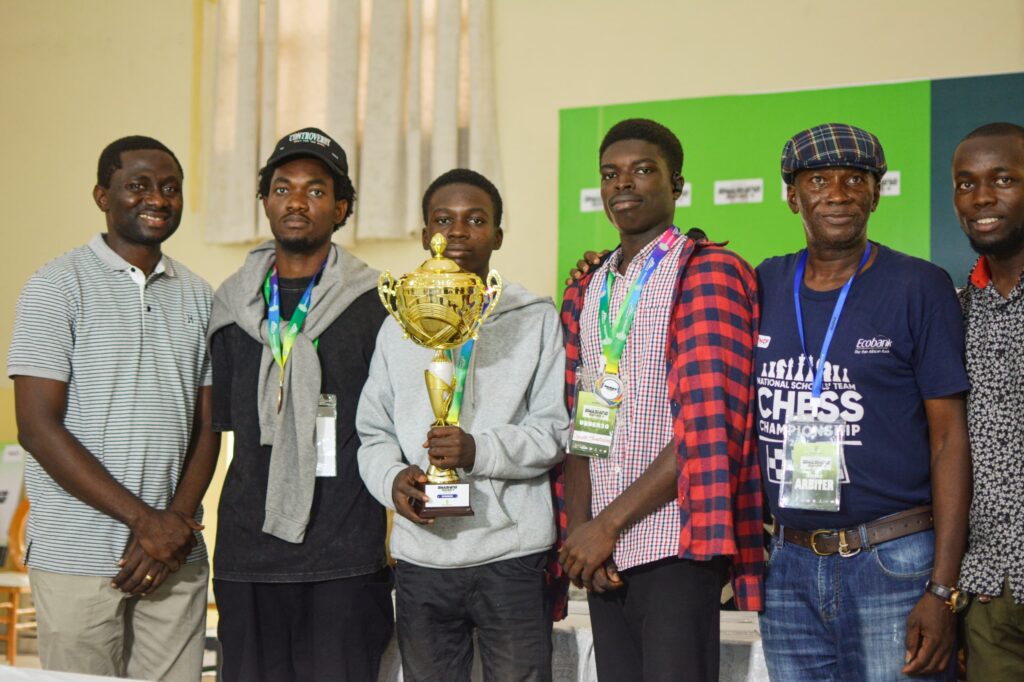
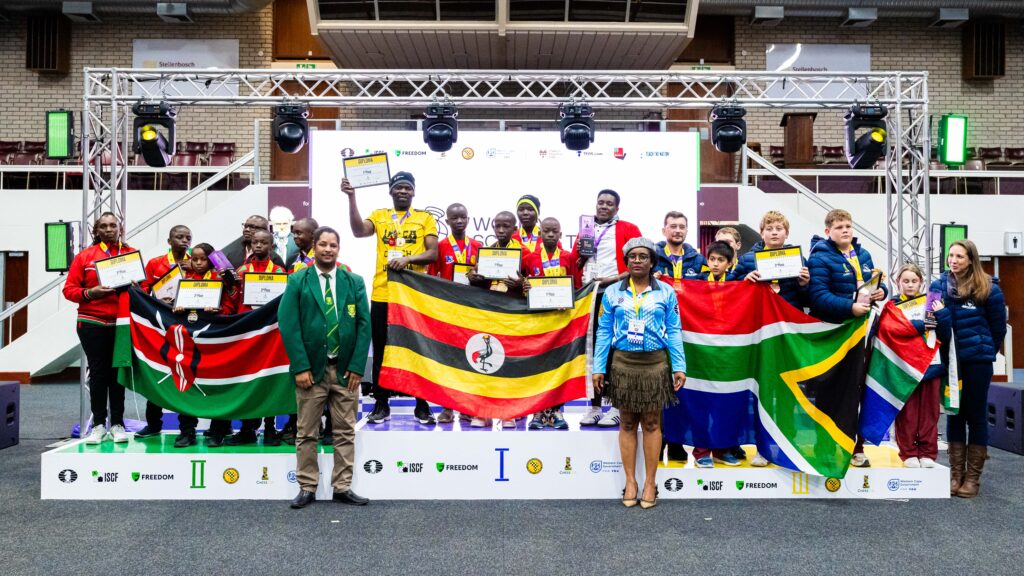
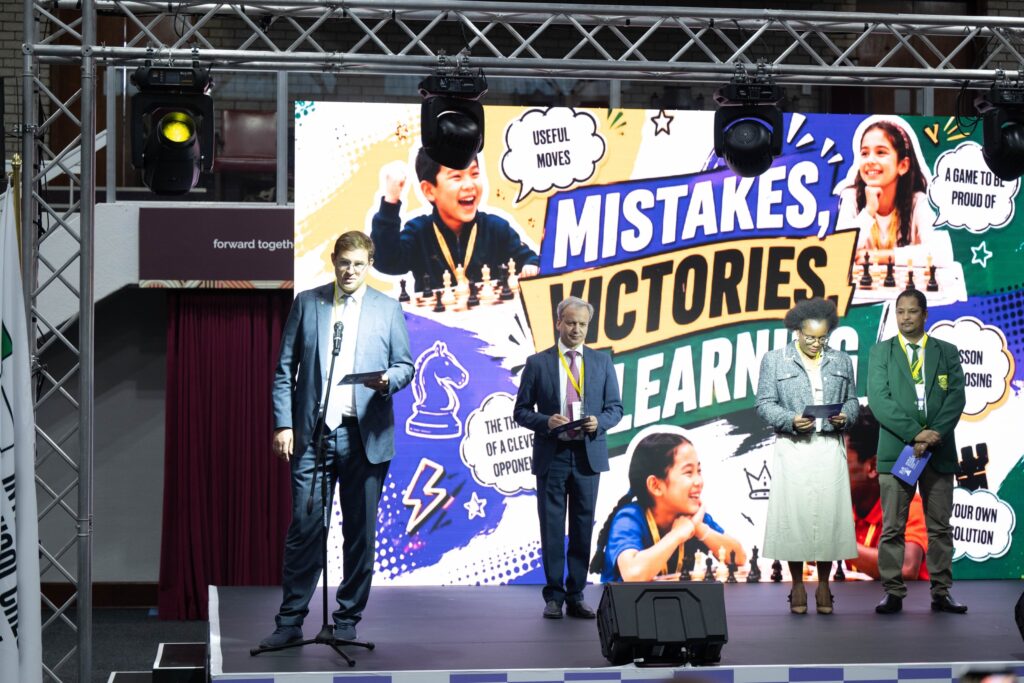
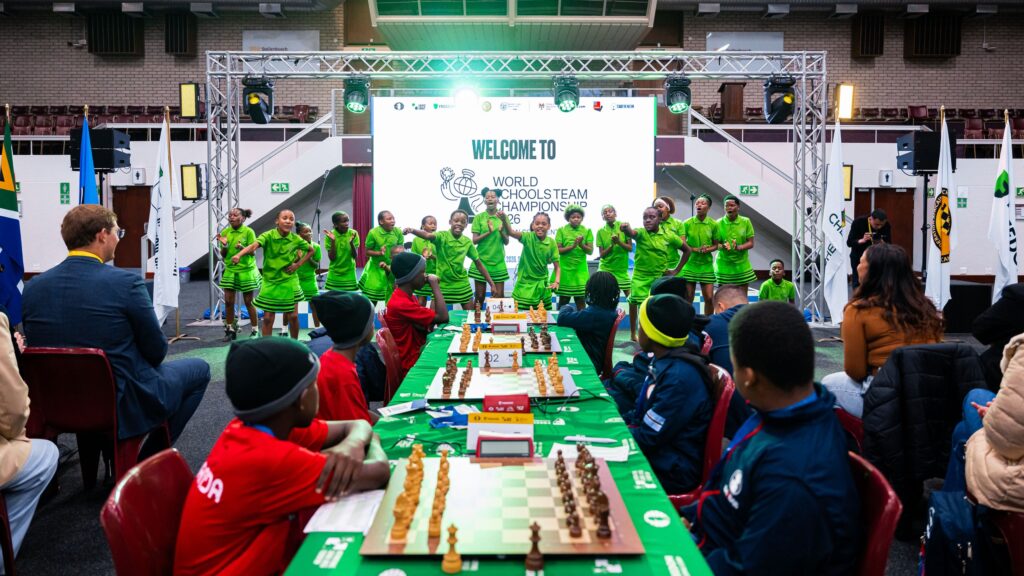
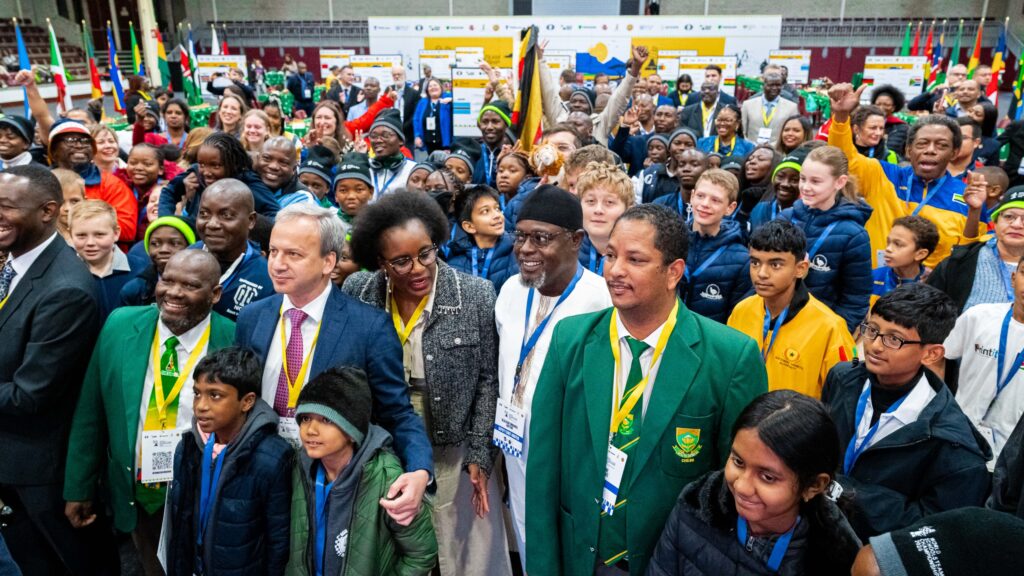
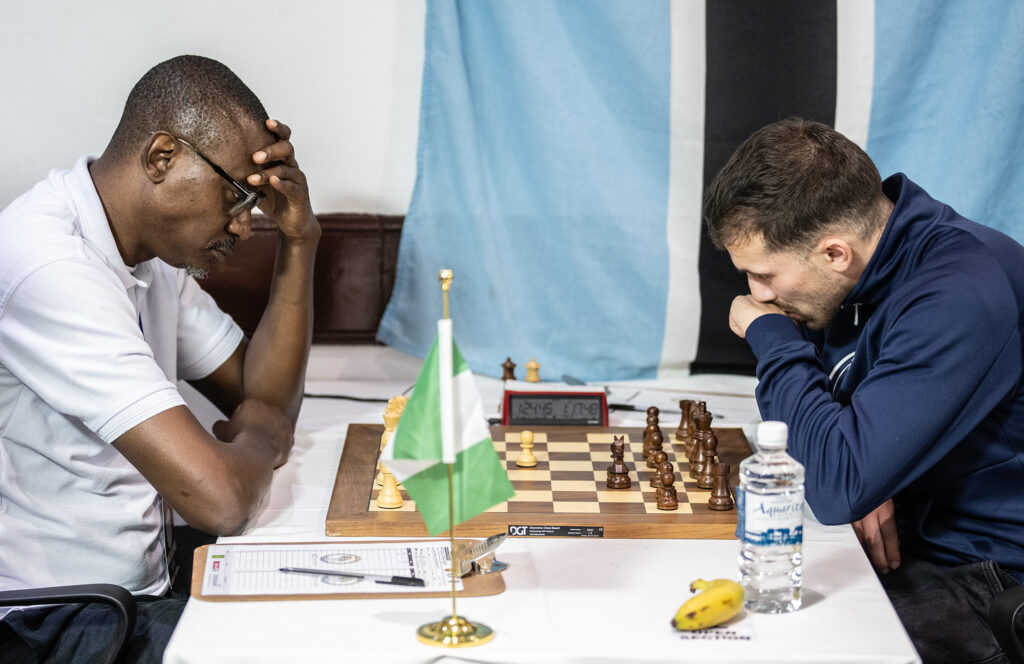
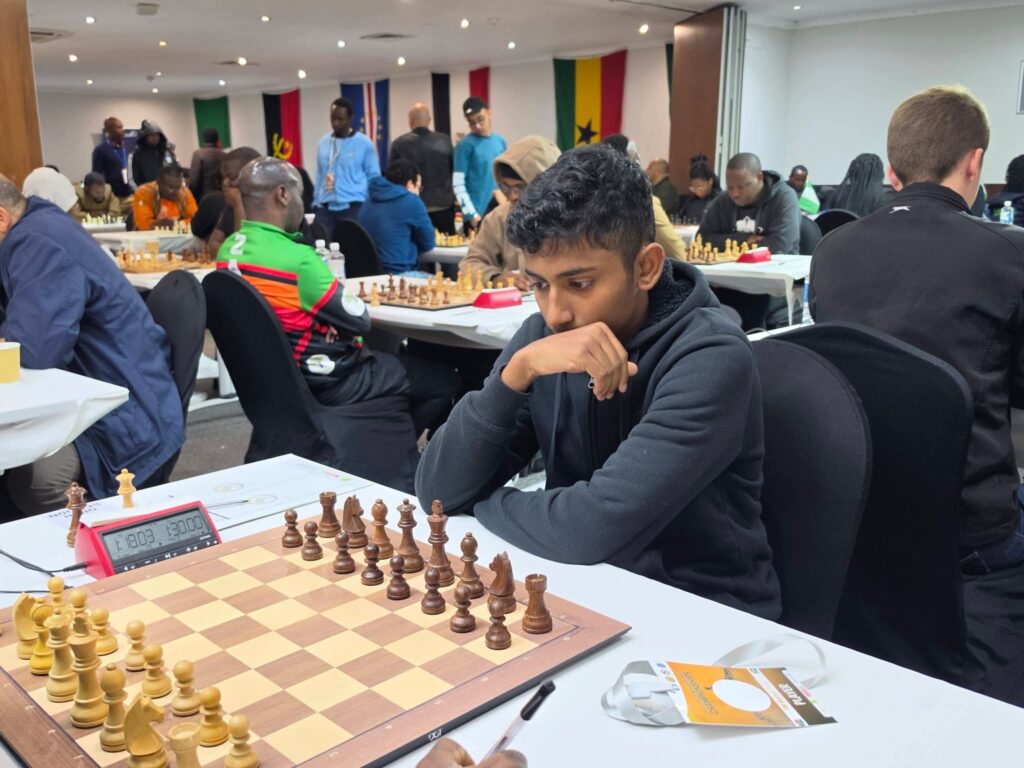
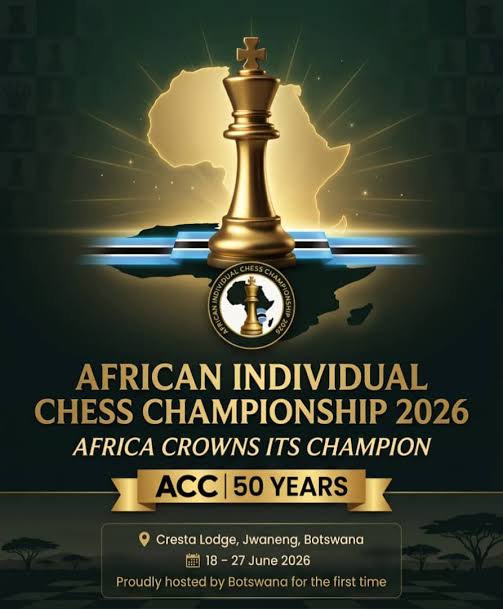
After fifty (50) years as a united body, Africa has the numbers, the youthful population, the talent and the passion. Across the continent, coaches, organisers, federations, media, volunteers and players continue to teach as well as build chess, often with limited resources.
There are also valuable lessons from the progress made in parts of Northern Africa. Rather than simply copying those models, the continent can study what has worked and develop an African strategy that reflects its own realities.
The question is: Can FIDE Become a Stronger Partner in this Evolution Journey?
Seven Areas Where Africa Needs Partnership
1. Stronger Governance & Institutions

- Africa needs stronger and more professional chess institutions.
- The Africa Chess Confederation and national federations need structures capable of delivering long-term development, transparency, accountability and continuity.
- A strong continental chess ecosystem requires strong institutions.
2. Grassroots Development & Chess in Schools
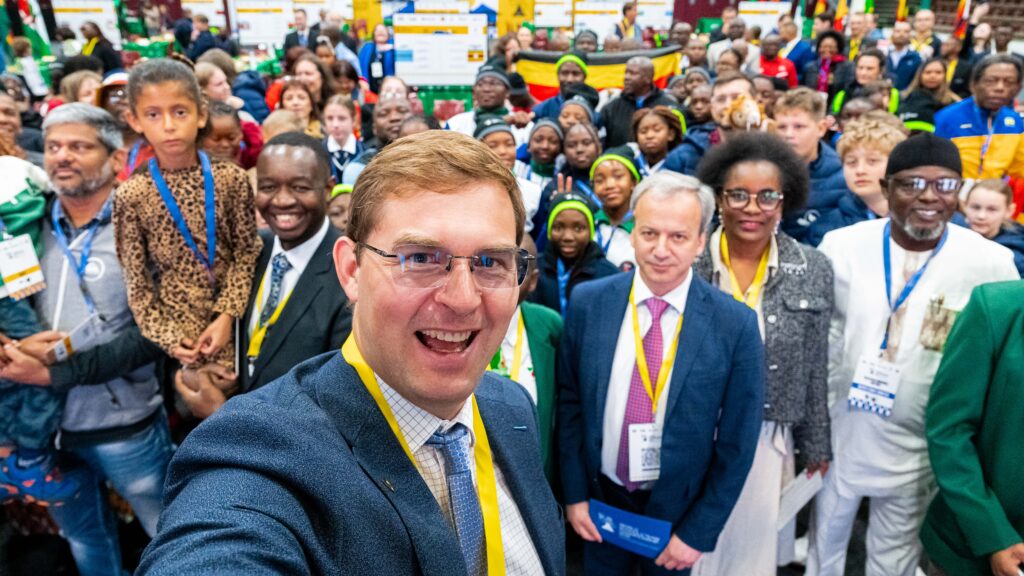
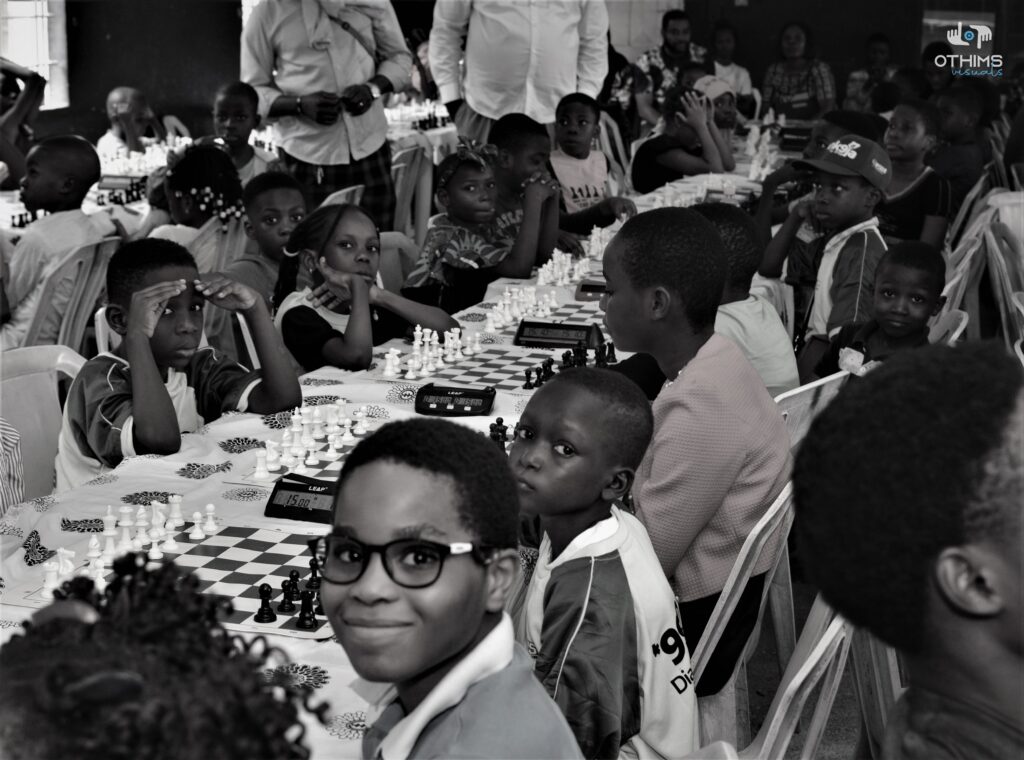
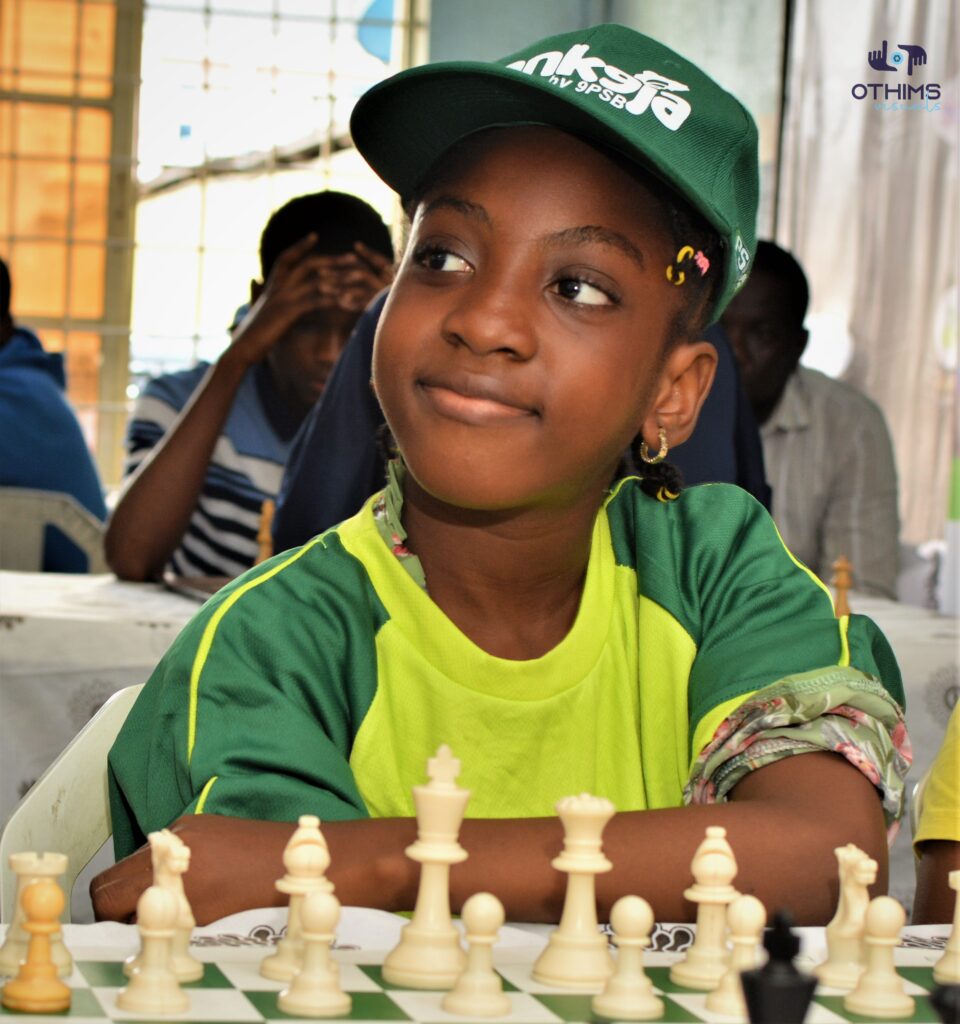
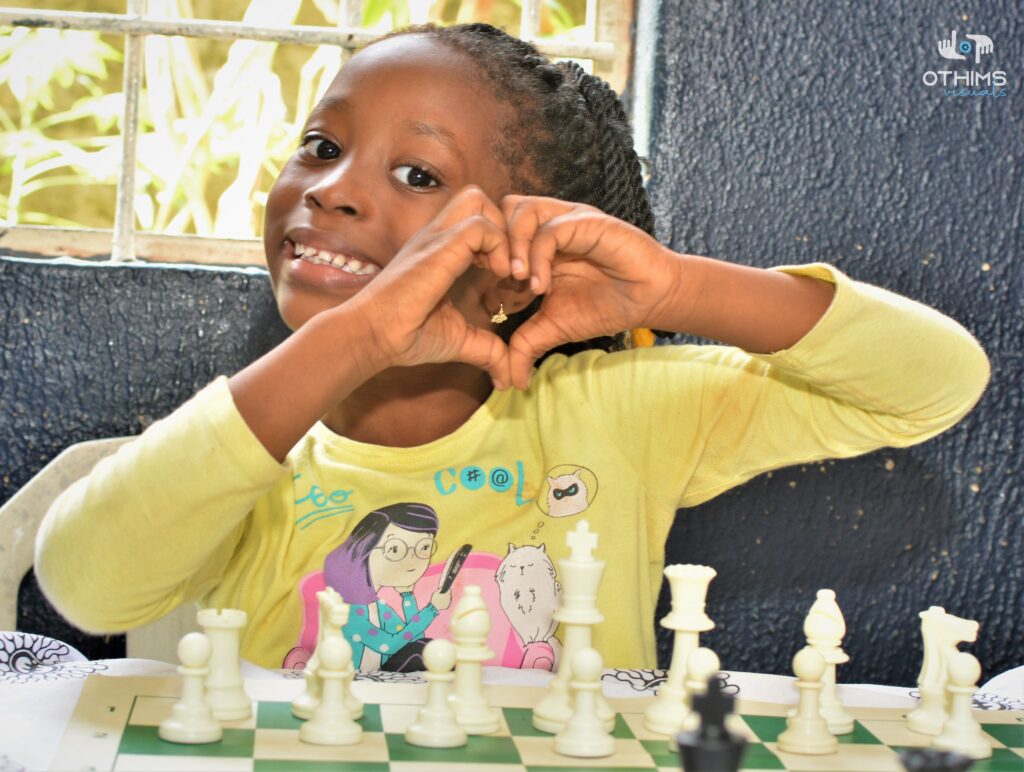
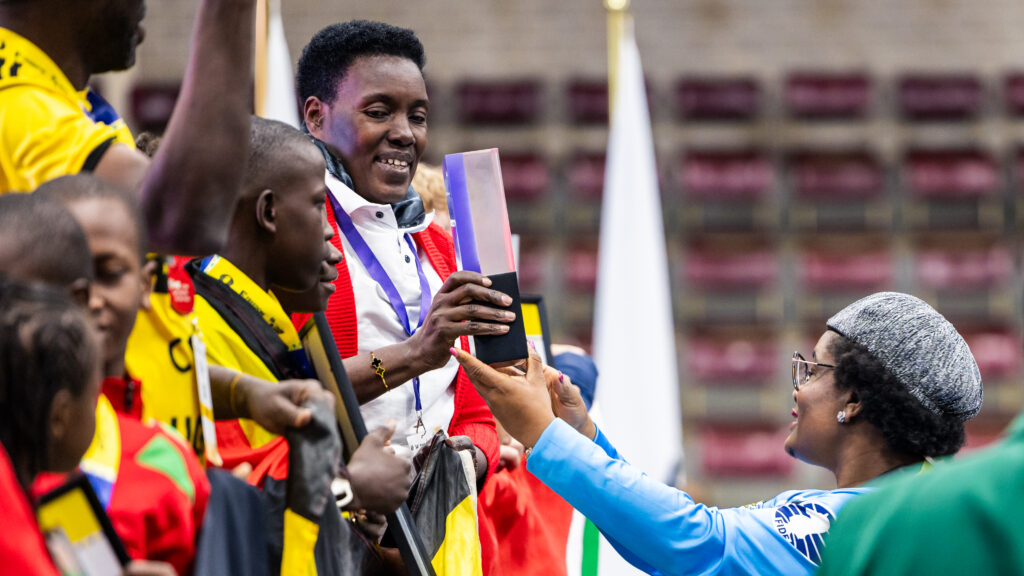
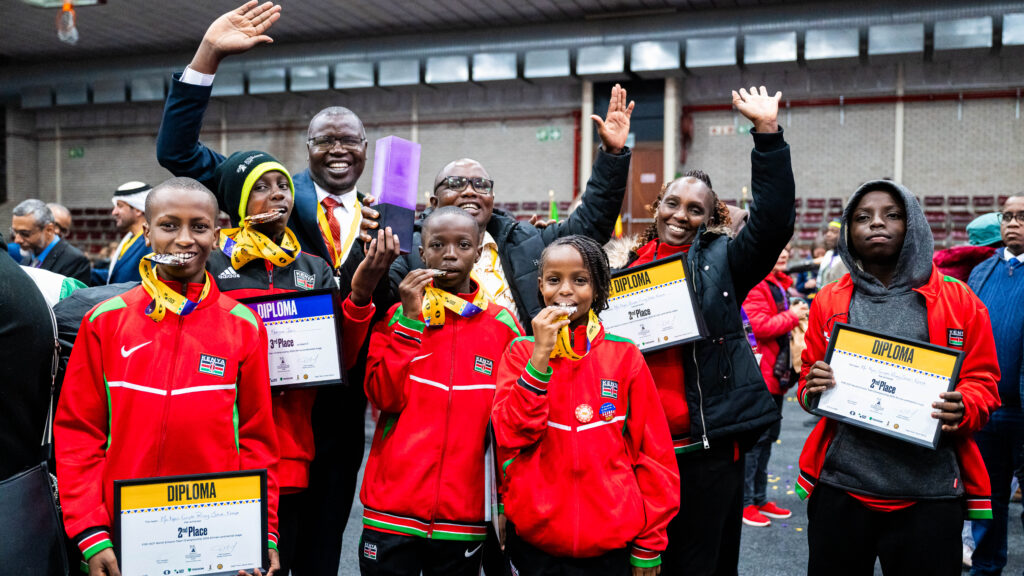
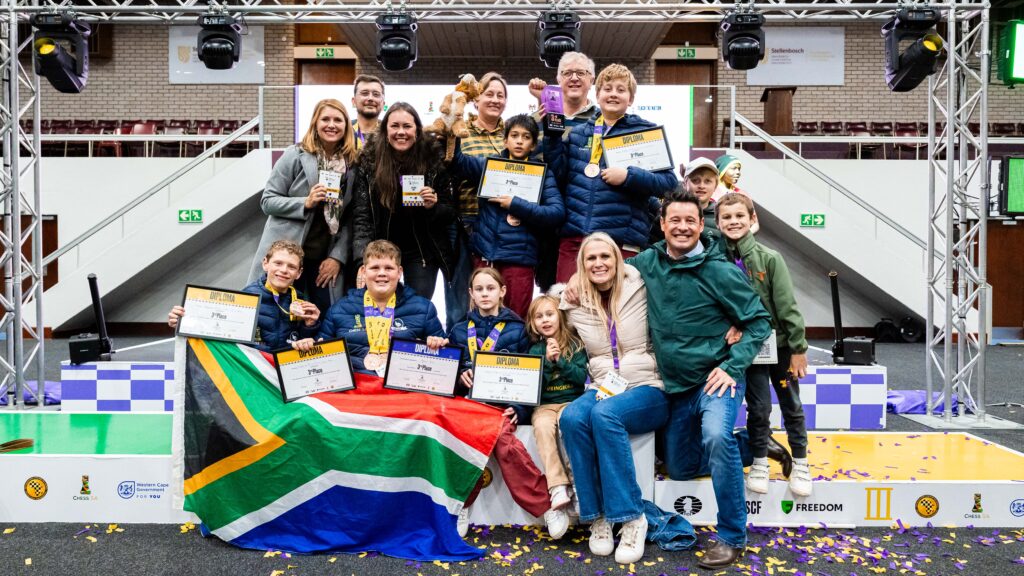
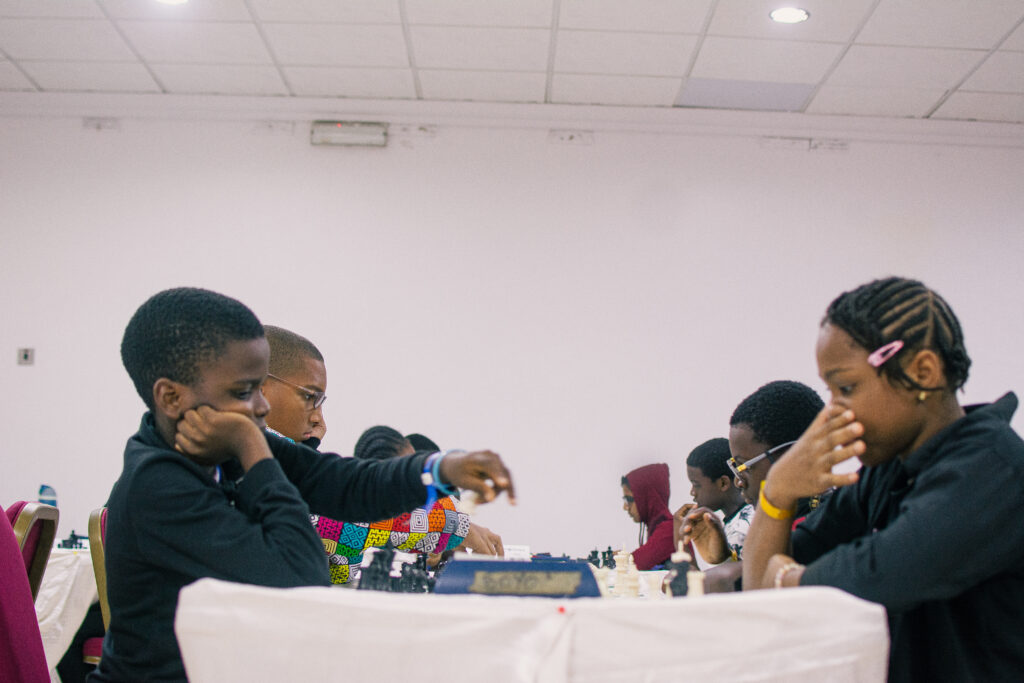
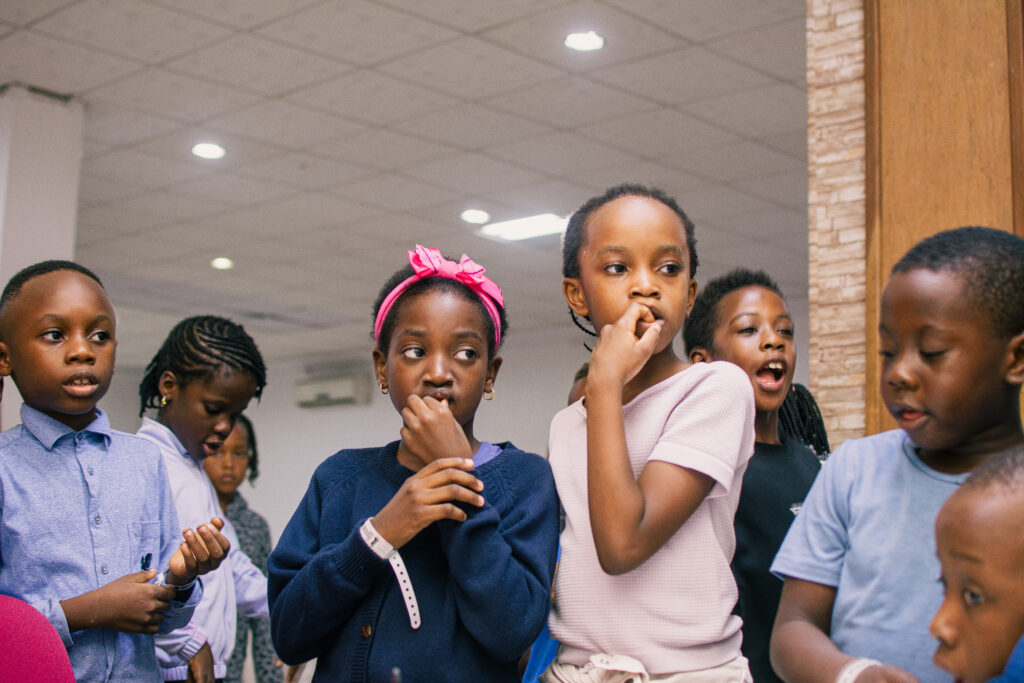
- Africa’s greatest chess resource is most likely its children.
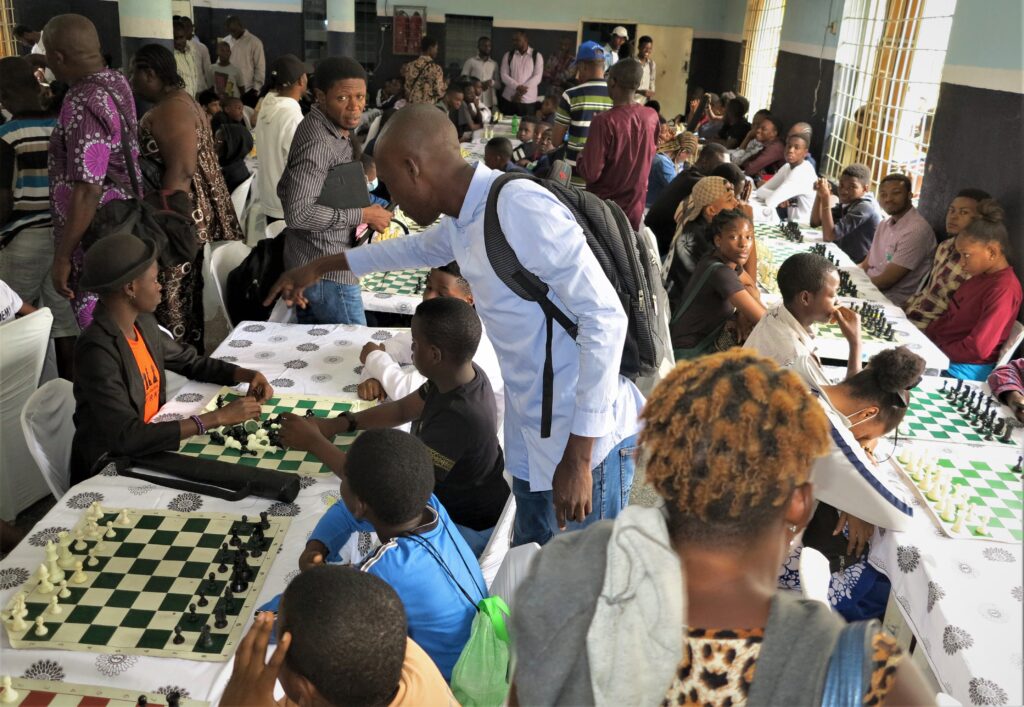
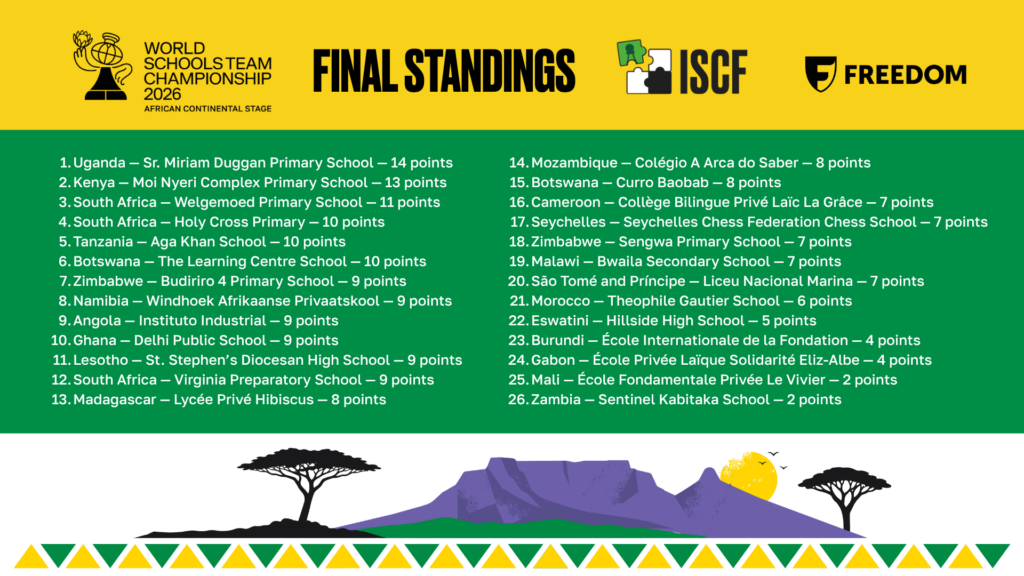
- Chess in schools, school clubs, grassroots competitions and wider access to chess can create the foundation for millions of future players.
- Africa needs a partner willing to help transform this potential into sustainable participation.
3. Player Development & High Performance

- Africa needs pathways that take talented players from grassroots chess to the highest levels of international competition.
- Training programmes, scholarships, coaching, international exposure and quality competitions can help turn potential into performance.
- The ambition should not merely be to produce more titled players, but to produce African players capable of competing with the world’s best.
4. Developing the People Behind Chess

- Players cannot develop in isolation.
- Africa needs more qualified coaches, arbiters, organisers, administrators, journalists, commentators and content creators.
- Building these professionals will strengthen the entire chess ecosystem and create opportunities beyond playing the game.
5. More Quality Tournaments & Continental Competitions
- Africa needs more opportunities to play, compete, develop and earn titles.
- However, the objective should not simply be to organise more tournaments.
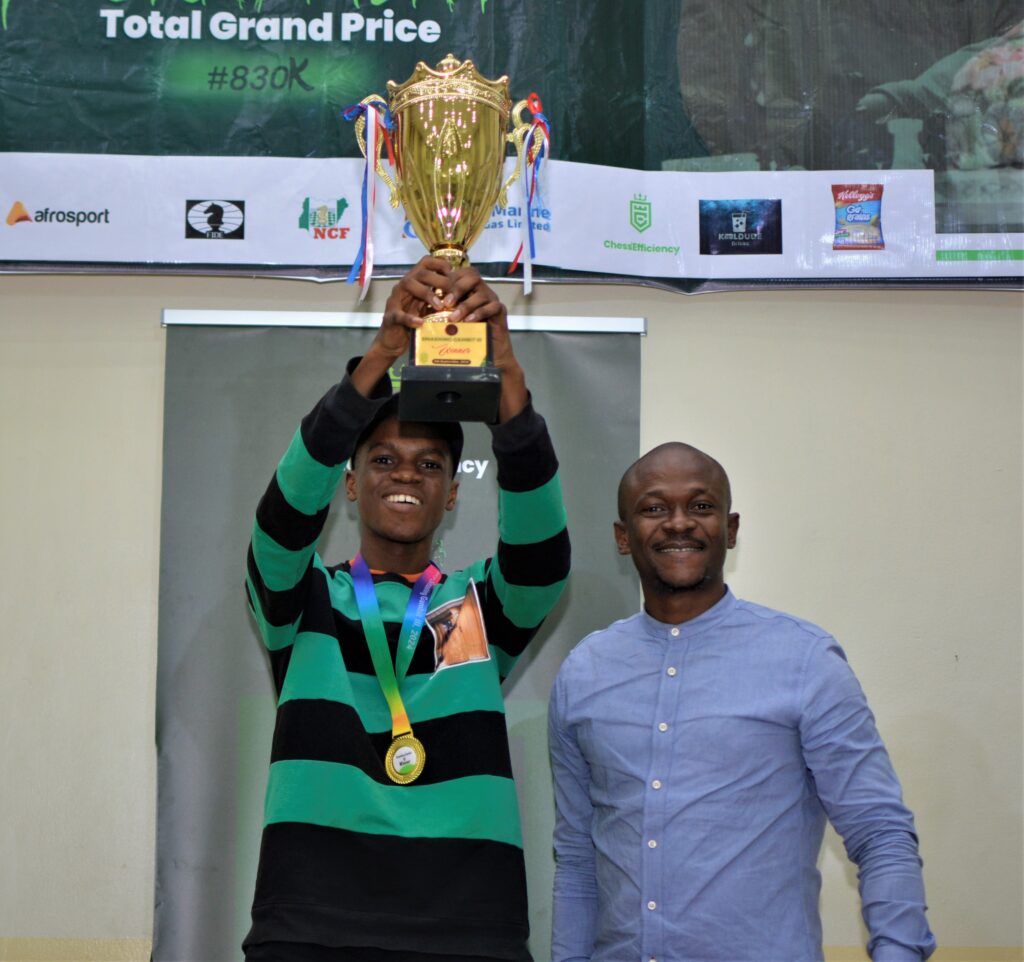
- We need competitions that develop players, create opportunities for professionals, attract audiences, generate media attention and provide value to sponsors.
6. Sponsorship, Investment & the African Chess Economy

- African chess cannot depend indefinitely on occasional grants and goodwill.
- We have the capacity to build a sustainable chess economy where corporations see real value in investing in chess.
- This means developing attractive continental competitions, media properties, youth programmes and commercial opportunities capable of attracting serious investment.
7. Media, Technology & Global Competitiveness

- Technology offers Africa an opportunity to leapfrog traditional barriers.
- Online learning, digital content, streaming, artificial intelligence and social media can connect African players with coaches, competitions and audiences around the world.
- Africa also needs to tell its own chess stories and give its players the global visibility they deserve.
The Bigger Question
These seven areas are not separate ambitions. They are connected.
- Better governance can attract investment.
- Investment can create better programmes.
- Better programmes can develop players.
- Better players can attract audiences.
- Audiences can attract sponsors.
- Sponsors can create stronger competitions.
- And stronger competitions can produce an Africa that is increasingly competitive on the global chess stage.
This is why Africa should not approach the FIDE Presidential Election simply by asking: “What will you give Africa?”
After fifty (50) years, perhaps the more important question is:
“How will the incoming president partner for the success of Africa Chess?”
Africa Does Not Need To Be Saved
Africa does not need someone to come and save its chess or the African Chess people.
There is already too much talent, passion and commitment across the continent.
What Africa needs is someone who recognises that potential and is prepared to work with African chess leaders, federations, players, coaches and communities to unlock it.
- A partner who understands that development cannot be measured only by the number of tournaments held or the number of titles awarded.
- A partner who is willing to think in terms of 10, 15 and 20-year development cycles.
- A partner who sees Africa not as a recipient of development assistance, but as one of the greatest opportunities for the future growth of chess.
A Question for the Candidates
- To Jan Henric Buettner.
- To Timur Turlov.
- To Wadim Rosenstein.
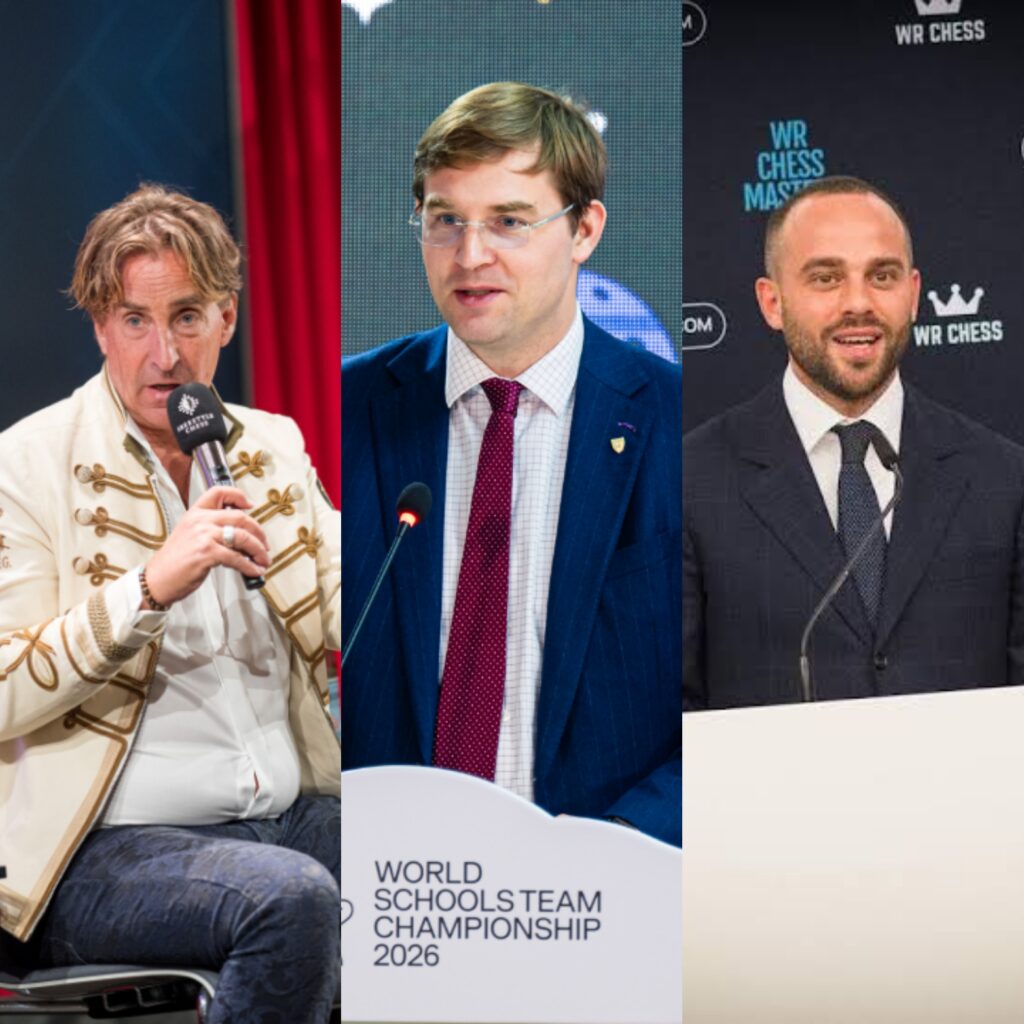
Africa is listening. Will you engage the Africa Chess Community?
- What is your vision for African chess?
- What role do you see Africa playing in the future of global chess?
- And most importantly: Will you be a partner who genuinely wants African chess to succeed, evolve and become a global force?
Africa has the Talent.
Africa has the Numbers.
Africa has the Passion.
What Africa needs now is the right partnership to turn potential into progressive success.
Africa is ready to evolve.
Will your FIDE be ready to support Africa’s Evolution?