
Chess is more than a game.Across Africa, it is a tool for education, a pathway for young talent, a source of opportunity, a competitive sport, and a growing force for social transformation. From classrooms and clubs to national championships and international stages, chess continues to expand its reach and influence across the continent.

But the future of African chess is not shaped only by what happens over the board, it is also shaped by the decisions made around the board.
Leadership! Vision! Experience!
Leadership matter, Vision matter, Experience matter, and most of all, the ability to turn all these into measurable progress matters most.
With the African Chess Confederation election approaching, the attention of the continent’s chess community is increasingly focused on the candidates seeking to lead African chess into the future.
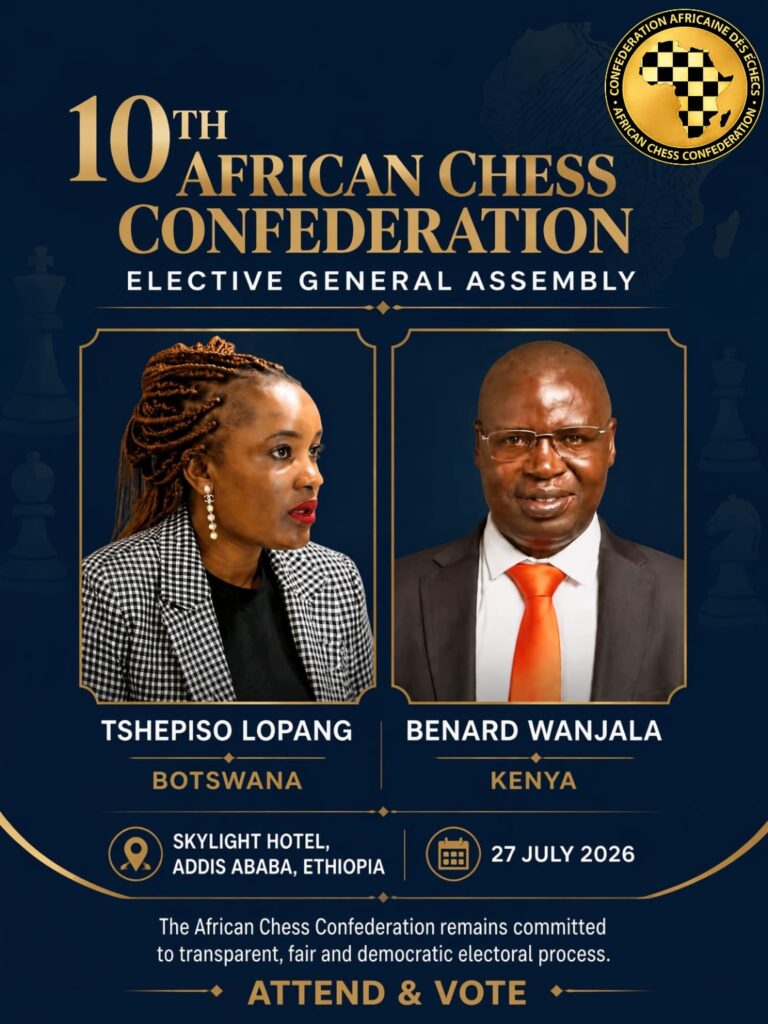
Each candidate brings a different background, a different perspective, as well as a different vision of what African chess can and should become, and in an election, it is not enough to know the names, the chess community deserves to understand the choices.
- What does each candidate stand for?
- What is their vision for African chess?
- What have they achieved before seeking this responsibility?
- What are their priorities for national federations, players, coaches, arbiters, organisers, and the next generation?
- How do they intend to address the developmental challenges facing African chess?
- What is their plan to make Africa more competitive on the global stage?
- And perhaps the most important question of all: Who has the clearest and most credible pathway from promises to progress?
These are questions that deserve thoughtful consideration. They are also questions that should not be answered by campaign slogans alone.
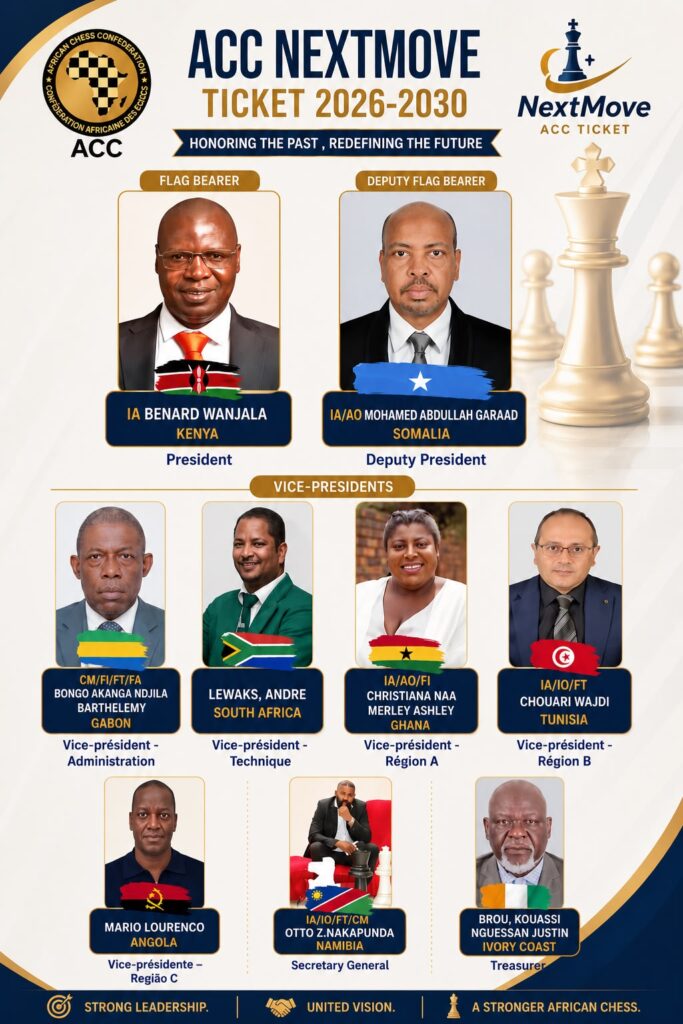
As Africa Chess Media, we believe that the chess community is best served when those entrusted with making important decisions have access to information, context, and meaningful analysis. Elections should be about ideas, records, accountability, and the future, not merely personalities.
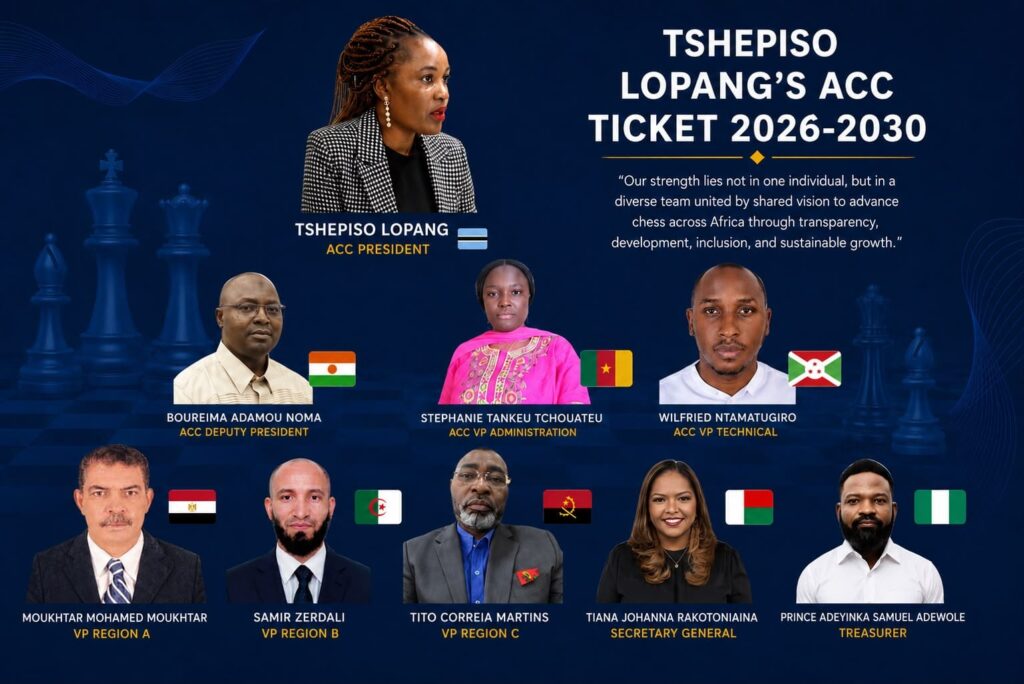
The election of the next leadership of the African Chess Confederation will take place in Addis Ababa, Ethiopia, bringing together delegates representing chess federations from across the continent at a defining moment for African chess.
There will be a decision to make, and, as with every important decision, each delegate will ultimately have to consider the choices before them and decide what they believe is best for the future of African chess and the federations they represent.
Africa Chess Media will not attempt to make that decision on behalf of the delegates. Our responsibility, as we see it, is to keep the conversation alive, to promote informed engagement, and to continue shining a light on the issues that matter to the development of our beloved game across the continent.
Furthermore, the conversation does not end with the African Chess Confederation elections. The global chess community is also approaching an important electoral season, with candidates seeking to lead the International Chess Federation (FIDE) and shape the future direction of the game worldwide.

Africa Chess Media will take a deeper look into the candidates seeking the top position in the coming weeks. We will examine the candidates seeking the highest leadership position in world chess, exploring their backgrounds, records, ideas, manifestos, priorities, and visions for the future, and especially for the development of Africa Chess.
With Arkady Dvorkovich now officially out of the race, Freedom Holding Corp’s Timur Turlov steps up to join Wadim Rosenstein, Jan Henric Buettner and former FIDE president Kirsan Ilyumzhinov in the race to become the next president of the world governing body for Chess.

We will ask what their proposed leadership could mean for the development of chess globally, and, more importantly, what it could mean for Africa.
- How do they see the continent?
- What role do they envision for Africa in the global chess ecosystem?
- What are their plans for developing chess in emerging regions?
- How do they intend to strengthen federations, expand access to chess, support young players, promote women’s chess, develop professional opportunities, and ensure that the growth of chess is truly global?
- Among others.
These are conversations worth having, because the future of chess should not be determined solely by the loudest campaign, the most recognisable name, or the most impressive slogan. It should be shaped by ideas, vision, experience, credibility, and the ability to deliver.

Our upcoming FIDE election series will therefore seek to put the choices before the chess community in clear perspective, not to tell anyone how to vote, but to encourage the delegates and stakeholders of the global chess community and especially our African leaders to understand what, and who, they are supporting.
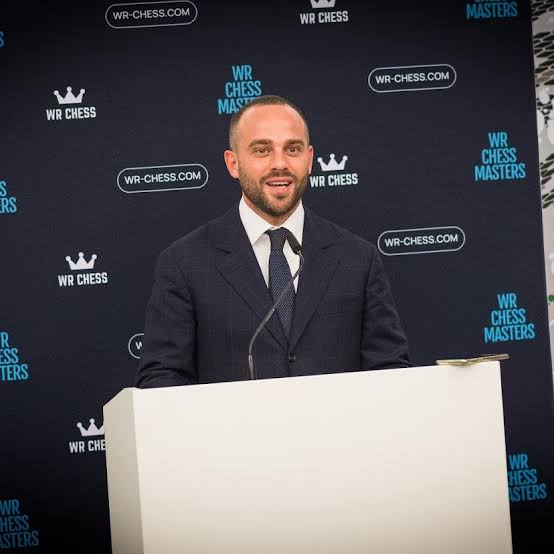
This is because the ballot will eventually ask one simple question: Who do you choose? However, before that question comes another, perhaps an even more important one: Do you truly understand your choices?
The conversation begins here, and as Africa prepares to make its choice, one thing remains certain:The future of African chess is on the ballot.
Africa Chess Media – Bringing the Chess Community Closer to the Decisions That Shape Its Future.

